
Post-Surgery Physiotherapy
Most people wait too long to start physio after surgery. That delay often leads to stiffness, weakness, and longer recovery times. Visit us for evidence-based post-operative rehab protocols, direct coordination with your surgeon as needed, and private, one-on-one physiotherapy sessions.
Book your post-op assessment


When should you start physiotherapy after surgery?
In many cases, physiotherapy starts within days, not weeks, after surgery.
- Early, guided movement helps reduce stiffness, swelling, and muscle loss
- Waiting too long can slow recovery and make rehab harder than it needs to be
- Your physiotherapist works with your surgeon’s protocol to find the safest start time
Rest alone doesn’t rebuild strength. Movement — done properly — does.
For many orthopedic procedures, such as knee and hip replacements and ACL reconstruction, physiotherapy begins within 24 to 48 hours. Even surgeries that require more protection — such as some rotator cuff repairs or spinal fusions — benefit from early guidance on safe positioning and gentle movements.
Canadian data shows that patients facing long surgical wait times often begin rehab in poorer physical condition, which extends post-operative recovery. Starting physiotherapy at the right time makes all the difference.

Post-Operative physiotherapy we provide
We treat post-surgical patients every week — from routine procedures to complex recoveries.
Common surgeries we help rehab:
- ACL reconstruction and knee surgery
- Hip and knee replacement
- Shoulder surgery and rotator cuff repair
- Wrist fractures and post-cast removal
- Spinal surgery
- Hernia, abdominal, and cardiac surgery
- Carpal tunnel release
- Meniscus repair
Each recovery plan is built around your specific surgery, healing timeline, and personal goals — whether that’s getting back to work, caring for your family, or returning to sport.
Patient feedback
Ask our customers
We’re proud to have earned 5-star reviews on Google from patients across Markham and Stouffville— see what they’re saying about their experience at The Physio Spot.


Book a physiotherapist to help in your recovery


Experts who care
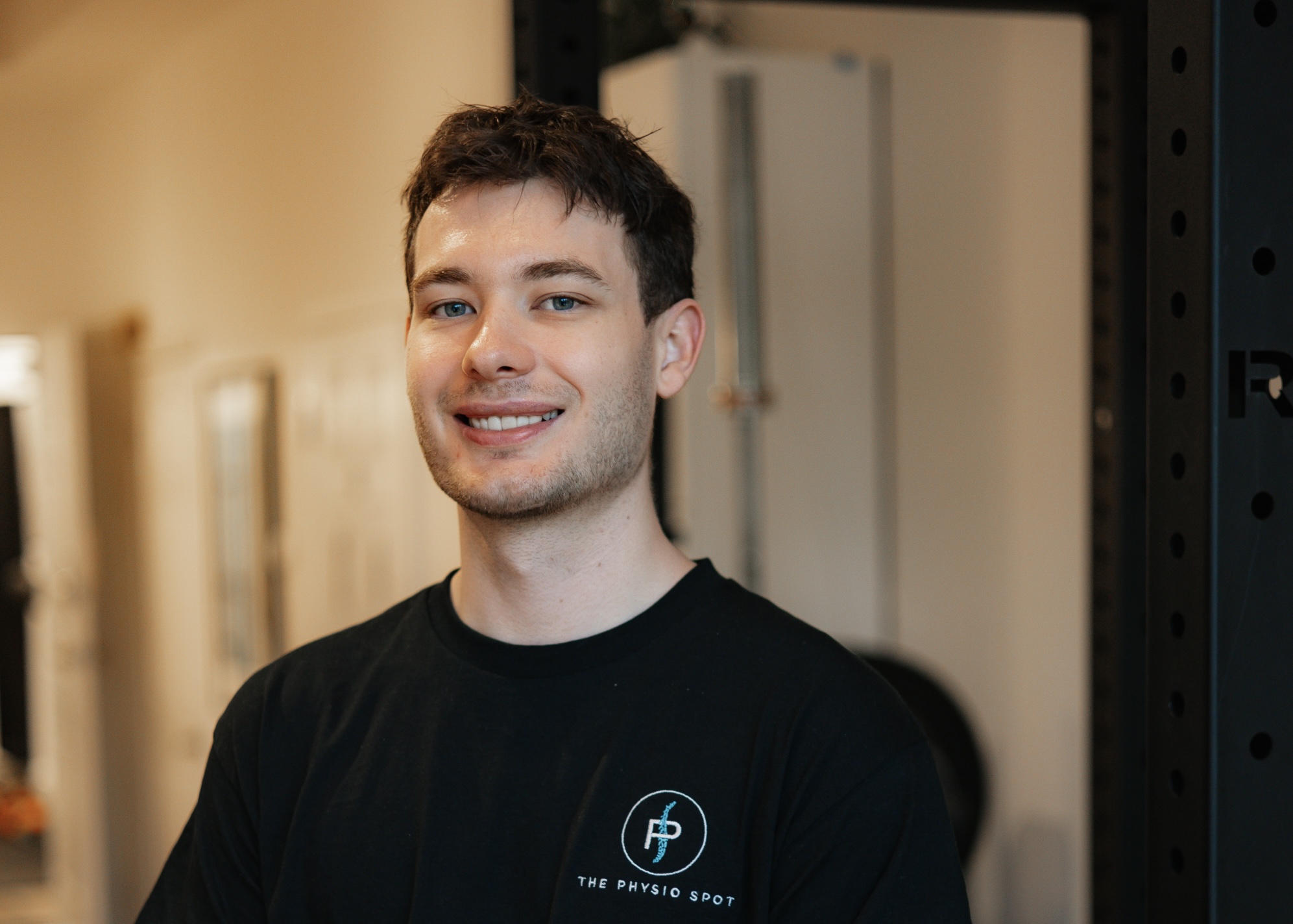
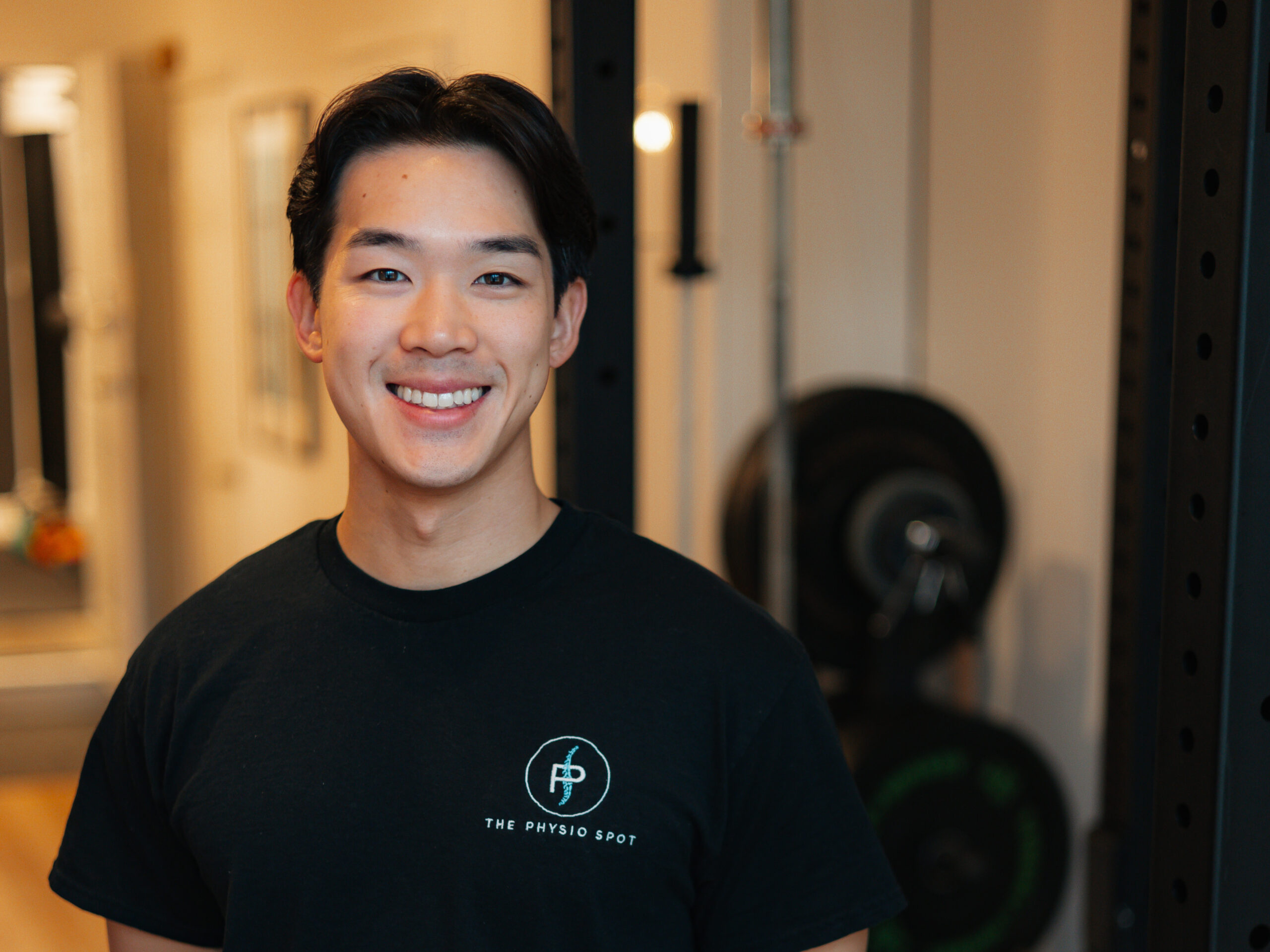
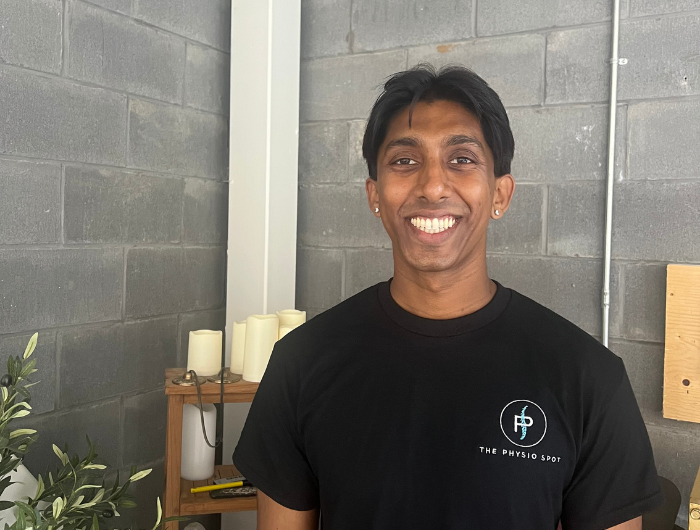
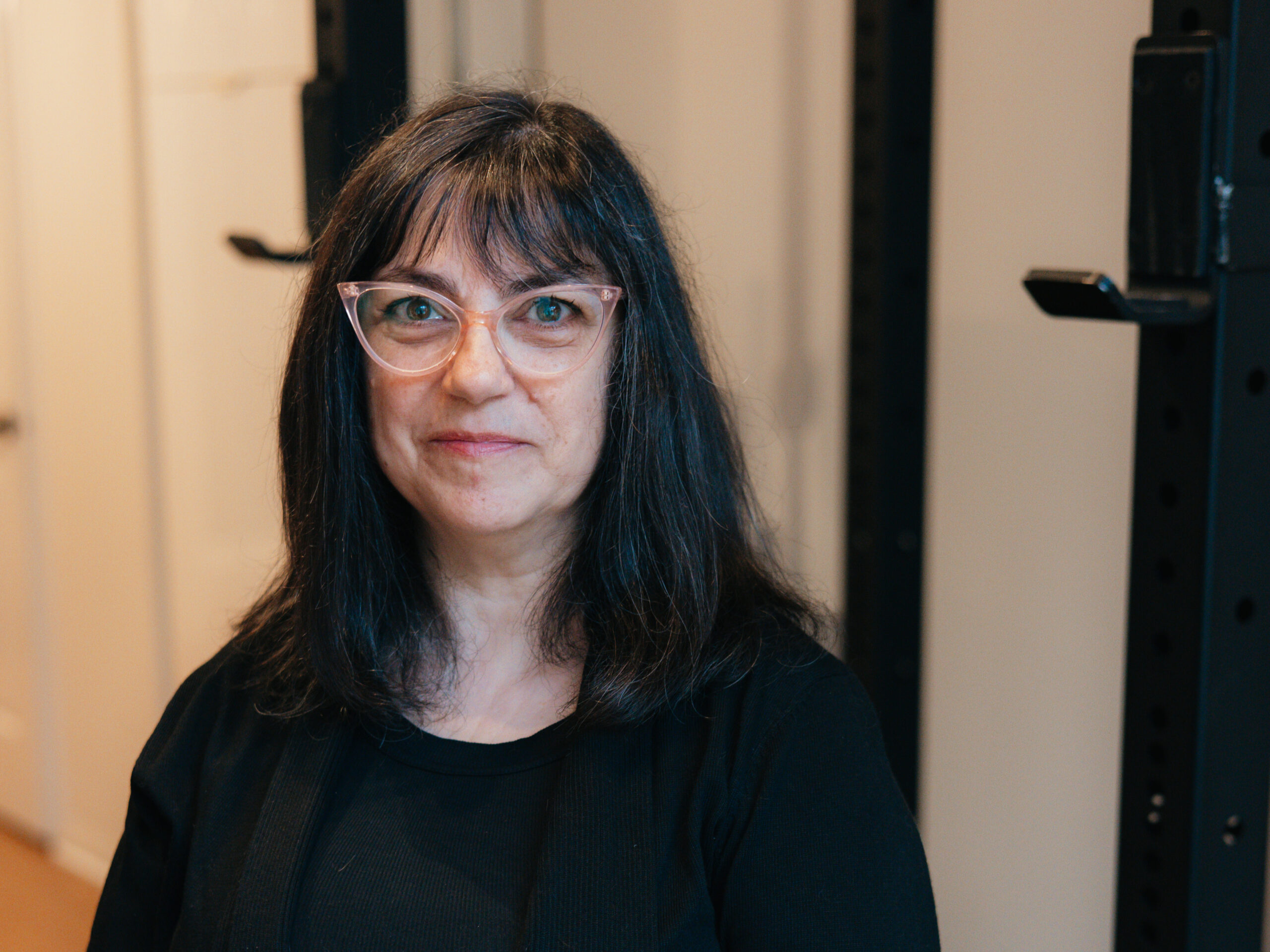
Meet your care team
Skilled professionals working together to help you move better.











What to expect from post-surgery physio

Common concerns we hear after surgery
“I’m afraid of damaging my surgery.”
Your physiotherapist knows exactly which movements are safe at each stage of healing. We follow your surgeon’s protocol and monitor your progress carefully.
“I don’t know what movements are safe.”
That’s what we’re here for. Every exercise is chosen specifically for your surgery type and current healing phase.
“I still have pain — should I wait?”
Some discomfort is normal after surgery. We’ll help you distinguish between good pain (tissue adapting) and warning signs that need attention.
“My surgeon didn’t explain physio clearly.”
We communicate directly with your surgical team when needed and explain your rehab plan in plain language.
Surgery-specific recovery details

Knee surgery & knee replacement rehabilitation
Canadian data shows that only about 61% of patients nationally receive knee replacement surgery within the recommended 26-week benchmark. These delays mean many patients start rehab with weaker muscles, but structured physiotherapy helps you catch up.
What we focus on:
- Reducing swelling and restoring range of motion
- Strengthening quadriceps and hip muscles
- Gait retraining and balance work
- Functional tasks like stairs and sit-to-stand
- Return-to-activity planning
For ACL reconstruction, modern protocols recommend at least nine months before returning to pivoting sports like hockey and soccer. We use strength testing and hop tests to guide safe return-to-sport decisions.
Desk workers typically return to seated work within two to four weeks with proper ergonomics. Athletes need more time and must pass objective criteria before unrestricted play.
Shoulder surgery recovery physiotherapy
Whether you’ve had rotator cuff repair, labral surgery, or shoulder stabilization, recovery requires patience and progressive loading.
What we focus on:
- Protecting repairs while preventing frozen shoulder
- Restoring range of motion safely
- Strengthening rotator cuff and scapular muscles
- Gradual return to overhead activities
Research shows that 84% of young athletes return to sport after rotator cuff surgery, but only 63% return to their pre-injury level. Overhead athletes — tennis players and baseball pitchers — face lower return rates and need longer, sport-specific progressions.
Office workers can often resume keyboard work within 1 to 3 weeks with lifting restrictions and a proper desk setup. Competitive athletes may need 6 to 12 months of recovery before full clearance.
Hip replacement & hip surgery physiotherapy
Hip replacement rehab focuses on rebuilding strength, balance, and walking confidence after prolonged pre-operative pain and inactivity.
What we focus on:
- Safe bed mobility and walking with assistive devices
- Hip abductor strengthening
- Gait normalization and fall prevention
- Movement precautions based on your surgical approach
- Return to daily and recreational activities
Patients who actively exercise before and after hip surgery demonstrate better pain control, improved function, and better mental health up to 12 months post-surgery.
Wrist, hand & elbow surgery rehabilitation
After wrist fractures, carpal tunnel release, or elbow procedures, physiotherapy restores dexterity and strength.
What we focus on:
- Range-of-motion exercises after cast removal
- Nerve and tendon gliding
- Scar management and desensitization
- Grip and pinch strengthening
- Swelling reduction
Most desk workers resume light typing within one to two weeks with breaks and ergonomic adjustments. Athletes who rely on racquet or stick handling need more gradual loading over several weeks to months.
Spine & complex surgery physiotherapy
Post-spinal surgery, cardiac surgery, abdominal surgery, and hernia repair all benefit from early mobilization and breathing exercises.
What we focus on:
- Safe movement patterns and core stabilization
- Breathing exercises to prevent lung complications
- Progressive return to bending and lifting
- Coordination with Enhanced Recovery After Surgery (ERAS) protocols when applicable
Canadian research shows that spine surgery patients who exercise before and after their procedure have better mental health and recovery outcomes for up to 12 months.
Signs you’re ready to progress — and red flags to watch for
Normal recovery discomfort:
- Mild muscle soreness after exercises
- Temporary stiffness that improves with movement
- Manageable pain that responds to ice or rest
Red flags that need immediate attention:
- Increasing pain that doesn’t improve
- Significant swelling, redness, or warmth
- Fever or feeling unwell
- Sudden loss of movement or strength
- New numbness, tingling, or weakness
If you experience red flags, pause your exercises and contact your physiotherapist or surgeon right away.
Your physiotherapist will teach you how to modify exercises when needed. Some days require pulling back; others allow you to push harder.
Post-Operative physiotherapy FAQs
Please reach out to us if you cannot find an answer to your question.
How long after surgery should you start physiotherapy?
Most people begin physiotherapy within days or weeks after surgery, depending on the procedure. Some surgeries allow immediate movement, while others require a short rest period. Your physiotherapist works with your surgeon’s guidelines to start rehab at the safest and most effective time.
What are the 5 Ps of post-operative care?
The 5 Ps commonly include Pain, Positioning, Protection, Progression, and Prevention. Together, they guide safe recovery by managing discomfort, protecting healing tissues, gradually restoring movement, and preventing complications or reinjury during rehabilitation.
What is a red flag in physiotherapy after surgery?
Red flags include increasing pain that doesn’t improve, significant swelling, redness, fever, loss of movement, or new neurological symptoms. If these occur, your physiotherapist may pause treatment and recommend medical follow-up to ensure your recovery stays safe.
What's the hardest surgery to recover from?
Recovery difficulty varies by person, health history, and support. Complex surgeries like spinal surgery, ACL reconstruction, and joint replacements often require longer rehabilitation. With structured physiotherapy and guided progression, most patients achieve strong functional outcomes over time.
Do I need a referral to start physiotherapy?
In Ontario, you don’t need a referral to see a physiotherapist. You can book directly. However, we often communicate with your surgeon to ensure your rehab aligns with their post-operative protocol and any specific restrictions.
Ready to recover with confidence?
Whether you’re days or weeks post-surgery, we’ll meet you where you are.


