
Ankle, leg & running injuries: feel better, move stronger, recover fully
You don’t have to push through pain or wait to see if it “settles.” Early treatment helps you recover faster and prevents minor issues from becoming long-term setbacks. If your pain is limiting your ability to move comfortably, our Markham physios can help you recover faster.
Book with us


Don’t let ankle injuries ruin your day
Whether you’re training for a race, chasing after your kids, or getting back into a routine, ankle and leg pain can stop you fast. You’re not alone — ankle sprains represent 7.5% of all injury-related emergency department visits in Ontario, and among active Canadians, ankles and knees are the most frequently injured body parts at 21.2% and 15.7% respectively.
However, most lower-body injuries respond exceptionally well to physiotherapy. With the right treatment plan, people often start feeling improvement within a few sessions and return to the activities they love.
Common ankle, leg and running injuries we treat every day
Our physios help people of all ages recover from injuries like:
Ankle sprains
A rolled or twisted ankle can leave you swollen, bruised, and unsure on your feet. In Ontario, ankle sprains occur at a rate of 16.9 per 100,000 people, making them one of the most common injuries we see.
Physiotherapy helps you:
- Reduce swelling and stiffness
- Rebuild stability so you trust your ankle again
- Strengthen the small muscles that prevent future sprains
Many patients are surprised by how quickly they improve when their ankles are strengthened correctly.
Shin splints
That dull or sharp pain along your shin often shows up when your legs are doing more than they’re ready for. Recovery typically takes 2–6 weeks with proper treatment and load management.
Physio focuses on:
- Improving calf and ankle mobility
- Strengthening the muscles that support each stride
- Guiding you on pacing and training loads
After a Cesarean Section
After a Cesarean section, returning to exercise requires extra caution. It’s essential to wait until your doctor gives you the green light, usually around 6-8 weeks post-surgery, and start with gentle activities like walking to ensure your body heals properly.
Runner's knee
A persistent ache around or behind your kneecap can stem from tight quads, weak hips, or movement mechanics. Most cases improve with conservative treatment within 4–6 weeks, though some people need longer depending on severity.
Rehab helps you:
- Improve alignment
- Reduce strain on your knee
- Strengthen supporting muscles so running feels natural again
Calf strains
A sudden pull, tightness, or sharp pain can make walking — or even standing — feel difficult. Strains represent 37.1% of injuries among Canadian athletes, making them the most common injury type.
We help you:
- Ease pain quickly
- Restore normal walking mechanics
- Gradually reload your calf so you return to activity safely
Recovery for mild calf strains typically takes 1–3 weeks, while moderate strains require 4–8 weeks.
Achilles tendon pain
Classic signs include stiffness above the heel and discomfort during or after running. About 10% of Canadians will experience some form of lower limb tendon issue during their active years.
Treatment includes:
- Hands-on therapy to calm irritation
- Eccentric strengthening (the gold standard in Achilles rehab)
- Gradual return to running to avoid flare-ups
Mild Achilles issues can improve in 1–3 months, while more persistent cases may require 3–6 months of consistent rehabilitation.

Why these injuries happen (and why they keep coming back)
Most lower-body injuries happen when there’s a mismatch between what your body can handle and what you’re asking it to do. Research shows that females experience slightly higher injury rates than males (389.9 vs 362.8 per 1,000 athletes), often due to differences in biomechanics and training patterns.
Common contributors include:
- Sudden increases in distance, speed, hills, or training volume
- Weak or tight muscles that change how you move
- Limited ankle or hip mobility
- Worn-out shoes or running form issues
- Past injuries that never fully healed
It’s easy to push through pain when you love being active — but slight imbalances can turn into bigger problems if left untreated. Your body is smart and compensates, but eventually, something has to give. Physio helps you identify why the pain started so you can fix the root cause.

Signs your ankle or leg injury needs physiotherapy
Not every ache needs treatment, but book an appointment if you notice:
- Swelling that isn’t getting better after a few days
- Pain with walking, stairs, or running
- A feeling of weakness or instability
- Sharp pain that limits daily movement
- Repeated injuries in the same area
You don’t need to wait until the pain is severe. Early treatment helps you heal faster and reduces your chance of re-injury. Studies show that physical therapy significantly reduces pain scores in patients with grade I and II acute ankle sprains, particularly when started early.
How physiotherapy helps
your ankle or leg heal
Physiotherapy is more than pain relief. It’s rebuilding strength, balance, and confidence. Research demonstrates that 80–90% of patients can achieve
significant functional recovery at 3 months when appropriate treatment protocols are followed.

Hands-on treatment that helps you move comfortably again
Hands-on treatment that helps you move comfortably again
- Reduces pain and stiffness
- Improves blood flow
- Helps your joints and muscles move naturally
Many patients report improved mobility even after a single visit. Manual therapy techniques, such as joint mobilization, have been shown to increase ankle range of motion more effectively than rest and ice alone.
Strengthening and movement training
Strengthening and movement training
- Builds stability around your ankle, calf, knee, or hip
- Improves running mechanics
- Reduces the chances of reinjury
Supervised physiotherapy programs are proven effective: supervised injury-prevention programs reduce injury risk by 33%, significantly better than unsupervised approaches.
Sport-specific rehab for runners and active adults
Sport-specific rehab for runners and active adults
- Return-to-run progressions tailored to your goals
- Drills to improve stride, balance, and control
- Movement coaching tailored to your sport
For runners returning after injury, gradual progressions matter. Your physio will help you safely rebuild your mileage and intensity.
Education, prevention and confidence
Education, prevention and confidence
Your physio will coach you on:
- Running form tips
- Footwear recommendations
- Warm-ups that actually matter
- Training load strategies so injuries don’t return
Studies show that injury prevention programs can reduce injuries by 28–80% when performed for as little as 20 minutes per week.
Recovery timelines: how long healing usually takes
Every injury — and every person — is different, but here’s what we typically see based on Canadian research and clinical outcomes:
Everyone heals differently, but with the right plan, most people start feeling better within a few sessions. The key is consistency with your exercises and following your physio’s guidance on activity modification.
Patient feedback
Ask our customers
We’re proud to have earned 5-star reviews on Google from patients across Markham and Stouffville— see what they’re saying about their experience at The Physio Spot.


Book a physiotherapist for your ankle and leg pain


Experts who care
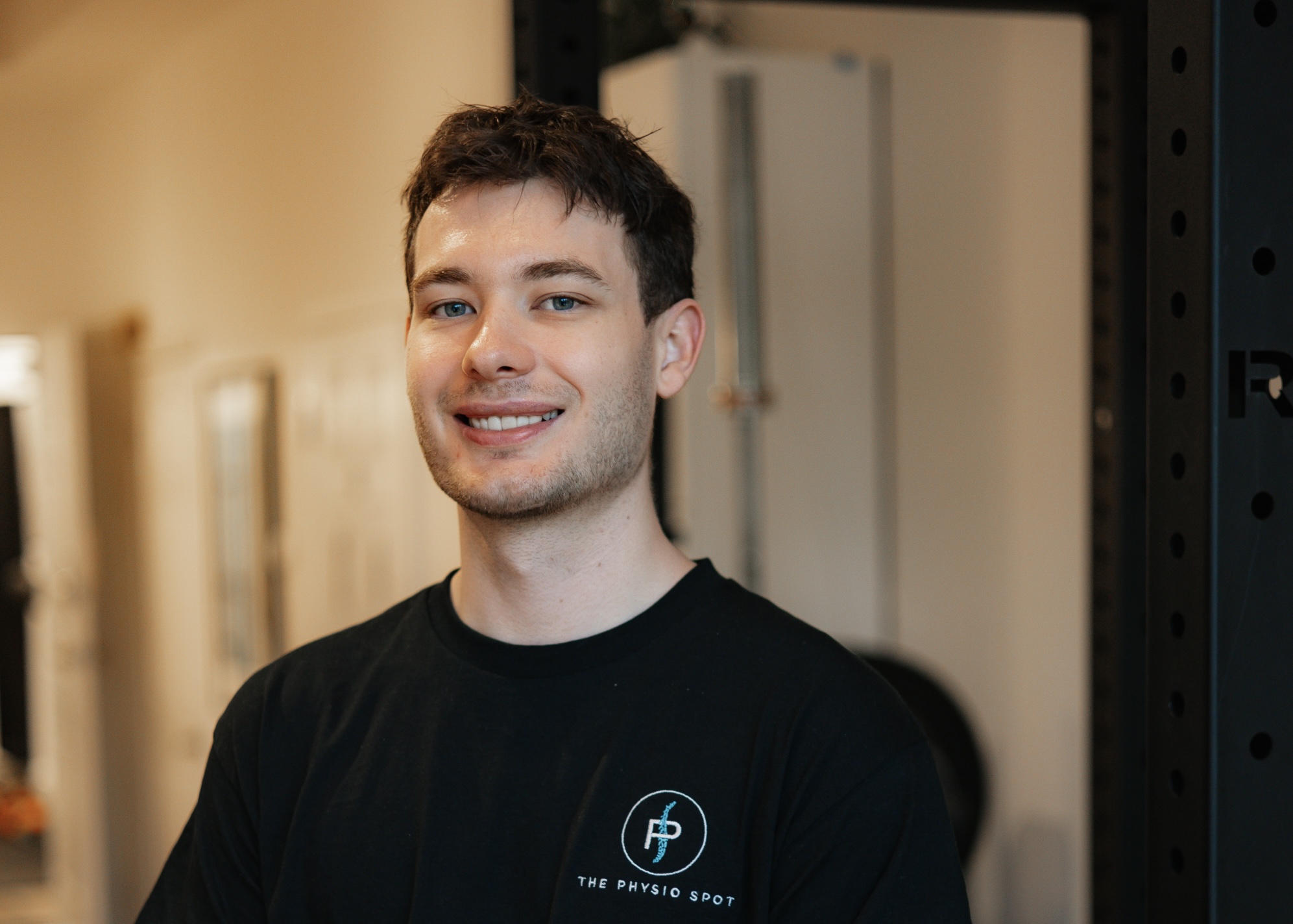
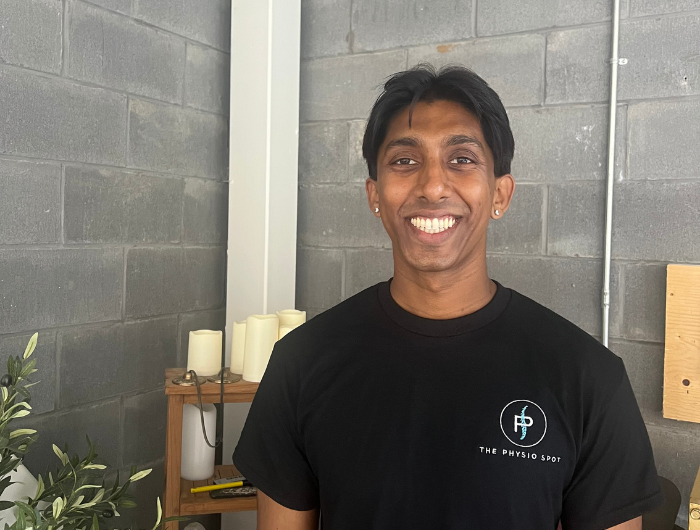
Meet your care team
Skilled professionals working together to help you move better.













When can you return to running?
Your physio will guide you step by step so you return only when your body is ready. You’re usually ready to run again when:
- You can walk pain-free
- Swelling has settled
- Strength matches your other leg
- You can hop or balance on one leg without symptoms
Rushing back too quickly is one of the main reasons running injuries return. A structured return-to-run protocol helps ensure you rebuild safely without setbacks.
Frequently asked questions
Please reach out to us if you cannot find an answer to your question.
When should you worry about a sprained ankle?
Worry if you can’t put weight on your foot, if swelling is severe, or if pain doesn’t improve after 48–72 hours. Bruising, leg numbness, or a sense of instability may indicate that the ligaments require targeted rehabilitation. Given that ankle sprains account for 7.5% of emergency department visits, it’s essential to obtain a thorough assessment. Physio helps rule out serious injury and supports proper healing.
How do you heal a sprained ankle overnight?
You can’t fully heal a sprained ankle overnight, but you can reduce pain and swelling. Rest the area, elevate your foot, and apply ice for short intervals (20 minutes, 3–4 times daily). Gentle mobility, compression, and avoiding painful movements can make the ankle feel better by morning. Physiotherapy accelerates the overall recovery timeline—research shows that 80–90% of patients achieve significant functional recovery at 3 months with appropriate treatment.
How long does a sprained ankle take to heal?
Most mild sprains heal in 2–4 weeks, while moderate sprains can take 4–8 weeks. Severe sprains may require longer — sometimes 3–6 months for complete recovery. Strength, balance, and mobility all play a role in how quickly you recover. Physiotherapy helps you regain stability and prevents repeated sprains, which affect many people who don’t complete proper rehab.
How do you tape an ankle?
Ankle taping supports the ligaments and limits painful movements. Typically, rigid athletic tape or KT tape is applied in a figure-eight pattern around the ankle and foot. Your physio can demonstrate the correct method and ensure the taping matches your specific injury and activity level. Taping can provide support during the healing phases and help you feel more confident as you return to activity.
How do you treat a sprained ankle?
Start with rest, gentle movement, and elevation using the RICE method (rest, ice, compression, elevation) for the first 72 hours. Once the swelling has settled, physiotherapy is the most effective next step. Treatment may include hands-on therapy, mobility work, strengthening, and balance exercises to restore stability. A personalized rehab plan reduces pain and helps prevent future sprains. Studies show that physical therapy significantly lowers pain scores, particularly when started early.
For physiotherapists
You don’t have to push through discomfort. We’re here to help
Most people wait longer than necessary to seek help. In Canada, 31.4% of adolescents report injuries in the past 12 months, and among adults, injury prevalence ranges from 13% to 17%. Whether you’re dealing with an acute injury or chronic pain that’s been lingering, early intervention makes a real difference.
When you’re ready, our Markham physiotherapists are here to support you every step of the way. We’ll help you understand what’s happening, create a clear recovery plan, and guide you back to the activities you love — more assertive and more confident than before.


