
dry needling
Dry needling therapy in Markham and Stouffville
Dry needling is generally used to release myofascial trigger points, but it also effectively treats connective tissue, neural, and muscular ailments.
Gunn IMS, Certified IDN, and Elevate Dry Needling are among the dry needling techniques we use to help you move better.

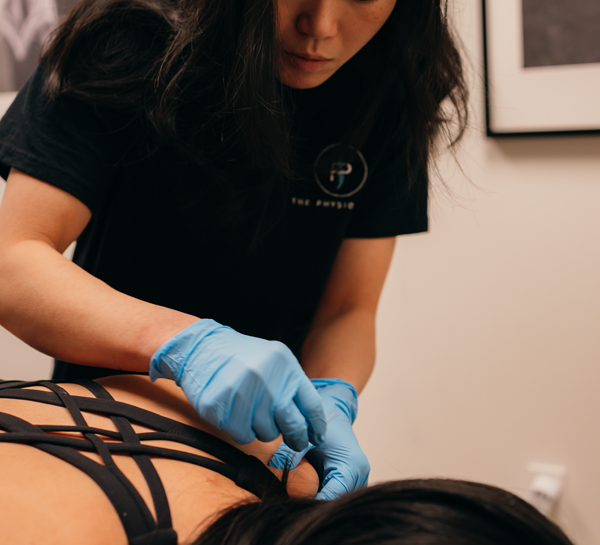
What is dry needling?
Dry needling is a precise, modern physiotherapy technique that helps calm irritated muscles, reduce pain, and restore healthy movement. During your session, your therapist will assess what’s causing your discomfort and use dry needling—along with hands-on care and strengthening exercises—to support long-term relief and better performance.
If you’re dealing with stubborn tightness, chronic pain, or trigger points that won’t let go, dry needling can help you get back to feeling and moving your best.
Does dry needling hurt?
Most patients feel only a quick, deep ache or a light twitch—that’s the muscle releasing. Your therapist will check in throughout your session and adjust the technique so you stay comfortable. The goal is relief, not discomfort, and most people find the treatment easier than expected
Benefits of dry needling
Relieves Muscle Pain
Reduces tension in irritated or overworked muscles so you can move with less discomfort.
Improves Mobility
Tight muscles can limit your range of motion, and needles can relieve tightness and restore range in stiff or restricted areas.
Promotes Faster Healing
By increasing blood flow to the treated areas, dry needling helps deliver oxygen and nutrients to your muscles. This enhanced circulation accelerates healing, allowing you to recover from injuries faster.
Reduces Muscle Tightness
Muscle tightness often leads to discomfort and stiffness. Dry needling breaks up these tight spots, loosening your muscles so you feel more relaxed and less restricted.
Addresses Chronic Pain
Dry needling can manage chronic pain, especially in conditions like back pain or migraines. By targeting the root cause—overactive or tense muscles—the treatment provides long-term pain relief.
Boosts Athletic Performance
Dry needling can help athletes perform better by releasing tightness and improving flexibility. It restores proper muscle function, enhancing movement and reducing the risk of injury.
Improves Muscle Function
When muscles are overactive or underactive, dry needling helps reset them, improving their function. This is key to restoring balance to your body and preventing further pain or injury.
Book a dry needling appointment
Our experienced physiotherapists look forward to helping you
Patient feedback
Ask our customers
We’re proud to have earned 5-star reviews on Google from patients across Markham and Stouffville— see what they’re saying about their experience at The Physio Spot.


What happens if you delay dry needling?
Delaying dry needling can allow your pain to intensify and spread. Over time, the tension in your muscles builds up, making those trigger points harder and more sensitive. You might feel sharp, stabbing pains radiating from your neck down your back, making it difficult to sit, stand, or move. Tight muscles can pull your body out of alignment, causing secondary pain in your joints and nerves. Chronic tension headaches become more frequent, and everyday tasks like lifting or bending start to feel unbearable. The longer you wait, the more your muscles lock up, making recovery slower and more painful.
Dry Needling Results
Frequently Asked Questions
Please reach us at info@thephysiospot.ca if you cannot find an answer to your question.
What is the difference between dry needling and acupuncture?
Dry needling and acupuncture both use thin needles, but their purposes differ. Dry needling focuses on relieving muscle pain and tension by targeting trigger points in the muscles. Acupuncture, rooted in traditional Chinese medicine, aims to balance the body’s energy flow (Qi) and treats a wider range of issues, including stress, pain, and other health concerns.
Is dry needling illegal in Canada?
Dry needling is legal in Canada, but the regulations vary by province. Physiotherapists who wish to practice dry needling must complete approved training courses and meet specific requirements set by their provincial physiotherapy colleges. In Ontario, physiotherapists can perform dry needling after completing the necessary education and obtaining authorization from their regulatory body. It is a widely accepted practice in physiotherapy for treating musculoskeletal pain and improving mobility.
At The Physio Spot, we have completed the approved dry-needling courses and have the necessary certifications.
How does dry needling work?
Dry needling works by inserting fine needles into specific muscle trigger points, known as knots, to relieve tension. The needles trigger a small twitch response, which helps the muscle relax. This increased blood flow and muscle relaxation reduce pain, promote healing, and restore mobility in areas affected by muscle tightness or injury.
Does dry needling hurt?
Dry needling can cause mild discomfort, but it usually isn’t painful. You might feel a small prick when the needle enters your skin, followed by a twitch or cramp as the needle hits a trigger point. This response is a good sign that the muscle is releasing tension. Most patients describe the sensation as brief and tolerable.
Does dry needling work?
Yes, dry needling is effective for many people. It targets muscle knots, or trigger points, to release tension and improve blood flow. This helps relieve pain, increase mobility, and promote healing. Many patients report positive outcomes, especially chronic pain, muscle stiffness, and injury recovery. However, individual results can vary based on the condition being treated and the therapist’s skill.
What happens when dry needling hits a nerve?
If a dry needling needle accidentally hits a nerve, you may feel a sharp, electric-like sensation, tingling, or a brief jolt of pain. This is because nerves are sensitive structures that carry signals to and from the brain. In most cases, the sensation subsides quickly once the needle is adjusted or removed. While it can be uncomfortable, experienced practitioners know how to avoid nerves and minimize this risk.
What is dry needling physiotherapy?
Dry needling physiotherapy is a technique physiotherapists use to treat muscle pain and dysfunction. During treatment, the physiotherapist inserts thin, sterile needles into specific muscle trigger points, which are tight or painful areas. The goal is to release muscle tension, improve blood flow, and reduce pain. Dry needling is often used alongside other treatments, like exercise and manual therapy, to help restore function and mobility.
Can I take Ibuprofen after dry needling?
Yes, you can generally take ibuprofen after a dry needling session. Ibuprofen is an anti-inflammatory medication that can help reduce any mild soreness or inflammation that may occur after treatment. However, it’s always a good idea to check with your physiotherapist, especially if you have any specific health conditions or are taking other medications.
What not to do after dry needling?
After dry needling, avoid strenuous exercise for 24-48 hours to let your muscles recover. Skip applying heat, as it may worsen soreness. Avoid alcohol, as it can slow healing, and make sure to stay hydrated to support muscle recovery. Follow your physiotherapist’s advice for the best results.
What is Gunn IMS?
Gunn IMS (Intramuscular Stimulation) is a dry needling technique that treats chronic pain caused by nerve dysfunction. Developed by Dr. Chan Gunn, it targets tight muscles by inserting needles into trigger points to release tension. Unlike traditional dry needling, Gunn IMS addresses nerve hypersensitivity, making it effective for nerve-related musculoskeletal pain, such as sciatica or chronic back pain.


