
Perinatal care for pregnancy and recovery
Support your body through pregnancy, birth, and recovery—with care that meets you where you are.
Book with us

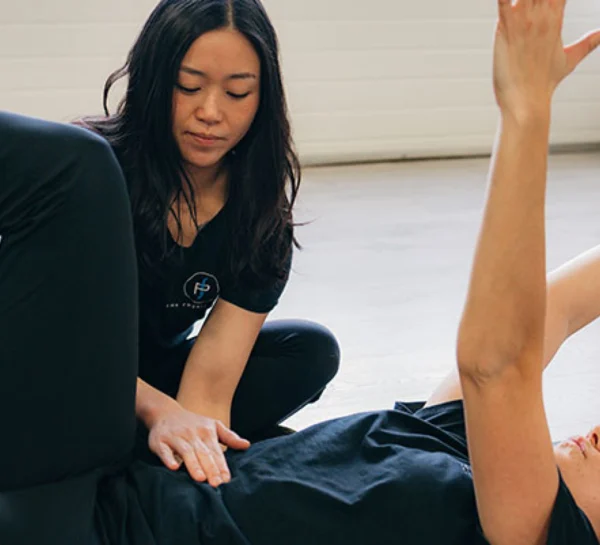
Support for every stage of pregnancy and post-baby recovery
Your body goes through huge changes during pregnancy and after birth. Pain, weakness, or instability aren’t things you have to “push through” or wait out. Perinatal physiotherapy helps you move better, feel stronger, and return to daily life with confidence at every stage.
Perinatal care is for you if you’re:
- Wanting to get stronger for your baby without pushing it
- Pregnant and dealing with back, hip, or pelvic pain
- Recently gave birth and feeling weak, sore, or unstable
- Returning to exercise after pregnancy or a C-section
- Struggling with core weakness or abdominal separation
- Feeling “not quite yourself” in your body again

What is perinatal physiotherapy?
Perinatal physiotherapy supports your body through pregnancy, postpartum recovery, and the physical changes that come with having a baby. It combines prenatal physiotherapy, postnatal retraining, and postpartum rehabilitation to help you move comfortably, rebuild strength, and feel more in control of your body again.
Whether you’re looking for pregnancy physiotherapy to manage pain during your third trimester or postpartum physio to rebuild strength after delivery safely, this care is tailored to where you are right now—not where you think you “should” be.

Pregnancy & prenatal physiotherapy
Pregnancy changes how your body moves, loads, and recovers. And you’re not imagining the discomfort.
Research from Ontario shows that 76% of pregnant women experience pregnancy-related pain, most commonly in the low back, pelvis, or both. Prenatal physiotherapy helps manage these changes safely—so pain doesn’t have to limit your day-to-day life.
We help you:
- Reduce back, hip, and pelvic pain during pregnancy
- Improve posture and movement as your body changes
- Stay active safely through each trimester
- Prepare your body for labour and delivery
Canadian guidelines recommend at least 150 minutes of moderate activity per week during pregnancy, yet fewer than two in ten pregnant women meet this target. Supervised prenatal physiotherapy helps you move safely, confidently, and within your body’s limits—without fear of doing the wrong thing.
Postpartum & postnatal physiotherapy

Core and postnatal retraining
Postpartum core rehab isn’t about “getting your body back.” It’s about helping your body function properly again.
We offer:
- Progressive postpartum core rehab that matches your stage of recovery
- Postnatal strengthening physiotherapy for full-body support
- Diastasis recti physiotherapy to address abdominal separation
Clear guidance on when and how to return to exercise safely
Recovery after birth
Every birth is different. Whether you delivered vaginally or by C-section, physiotherapy supports proper healing and long-term function.
We help with:
- Pelvic floor therapy after pregnancy to restore strength and control
- C-section recovery exercises that respect healing timelines
- Post-baby back pain treatment for the demands of feeding, lifting, and carrying
Diastasis recti and core recovery after pregnancy
Abdominal separation during pregnancy is common—but it doesn’t mean you’re stuck with it.
Diastasis recti physiotherapy focuses on restoring core strength and control using evidence-based exercises that support healing rather than worsening symptoms.
We provide:
- Safe assessment of abdominal separation
- Progressive strengthening without crunches or strain
- Improved core control for lifting, feeding, and daily movement
Clear guidance on what to avoid and what actually helps
Patient feedback
Ask our customers
We’re proud to have earned 5-star reviews on Google from patients across Markham and Stouffville— see what they’re saying about their experience at The Physio Spot.


Book a prenatal physiotherapist


Experts who care
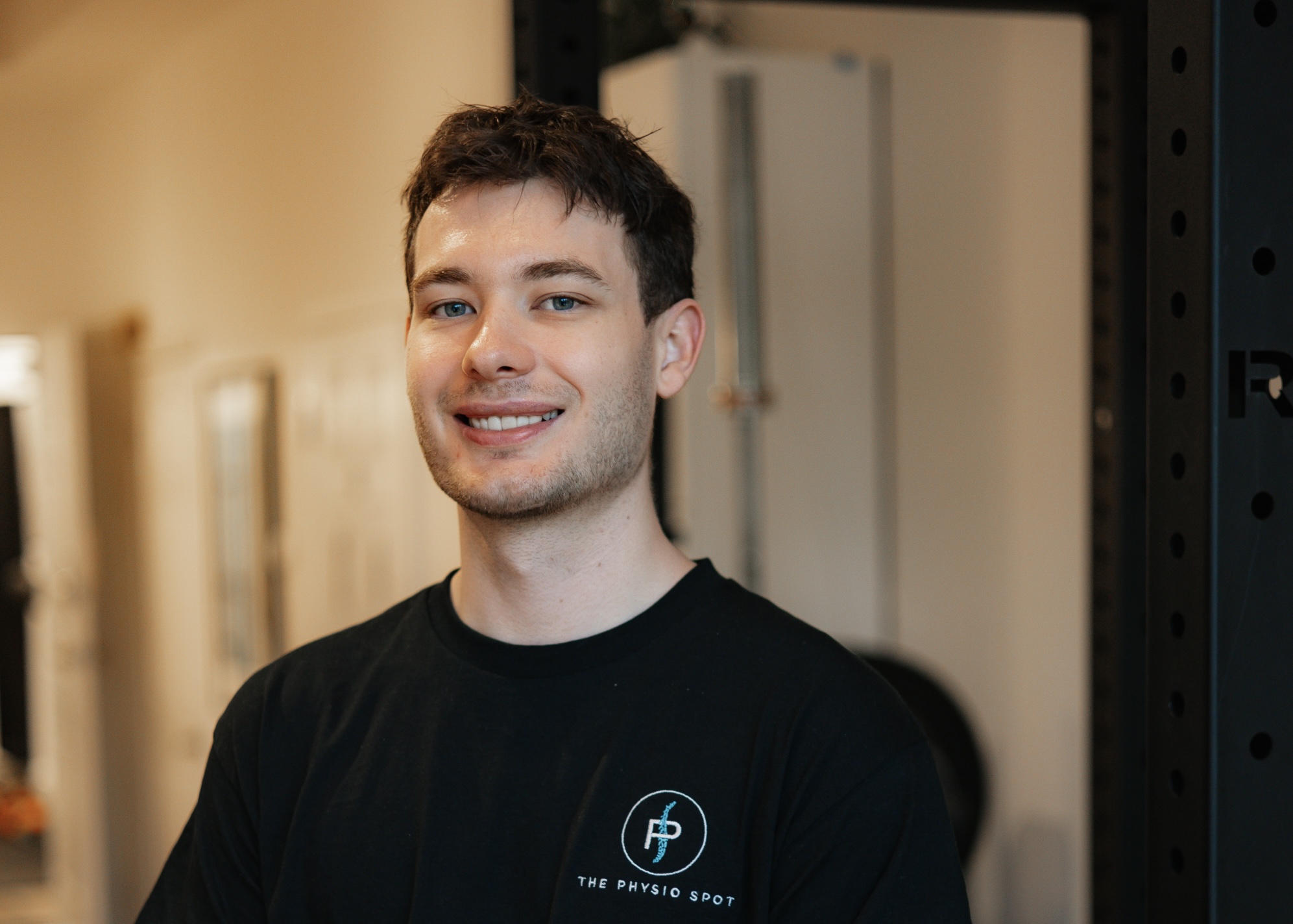
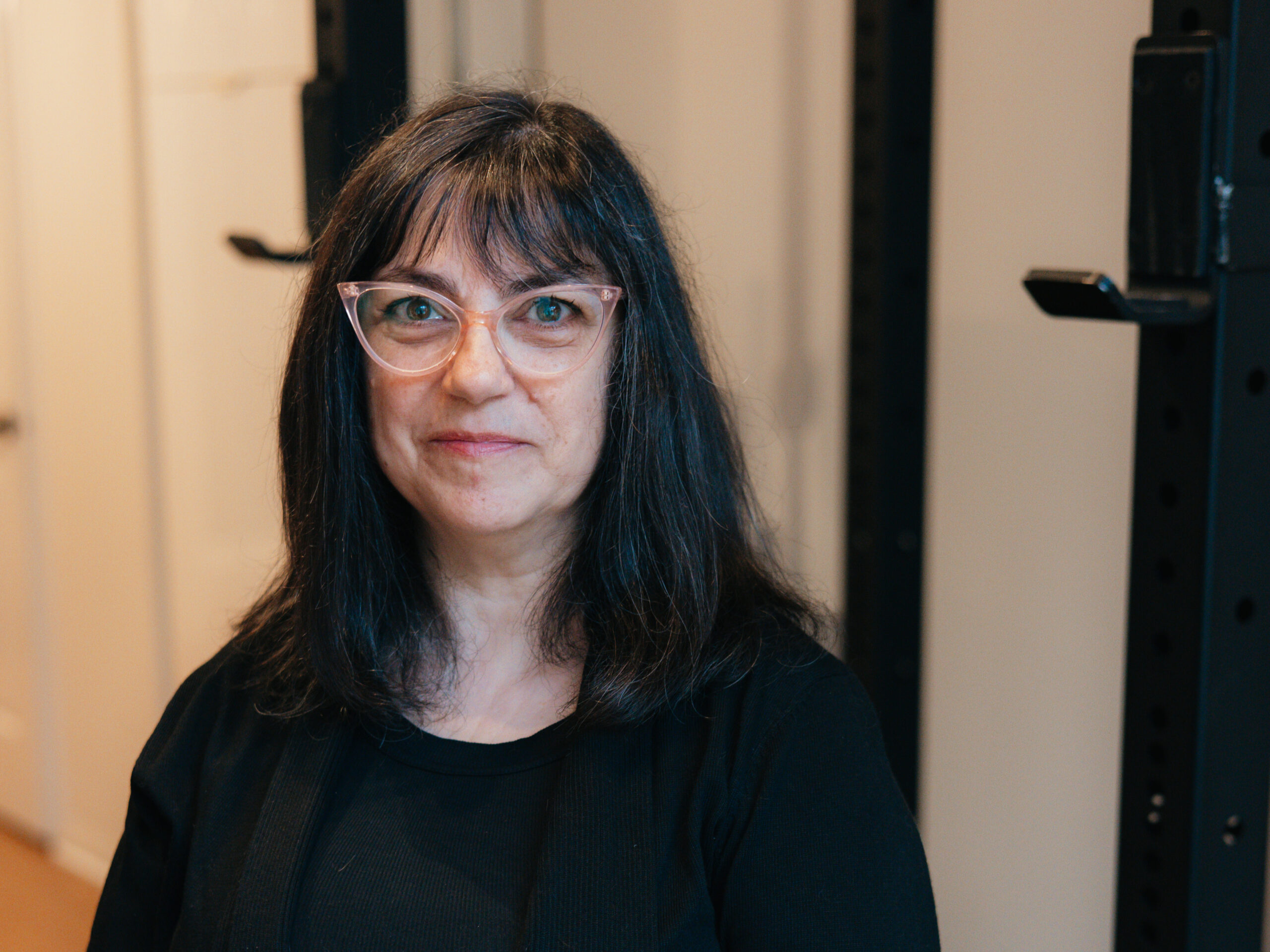
Meet your care team
Skilled professionals working together to help you move better.













What about my pelvic floor?
Pelvic floor physiotherapy (also called pelvic health physiotherapy or pelvic physiotherapy) is the assessment and treatment of various conditions that involve the pelvic floor or symptoms that manifest in this area.
Pelvic floor therapists have advanced and specialized training to perform and internal assessment (vaginal and/or rectal) of the pelvic floor to determine if it could be contributing to symptoms.
Therapists understand the sensitive nature of these symptoms and utilize a compassionate and professional treatment style to address your unique needs/concerns.
Treatment can include manual therapy to facilitate muscle lengthening/relaxation and strengthening as indicated.
What to expect at your first appointment
Many women are told that pain, leaking, or weakness after pregnancy is “normal.” Common? Yes. Inevitable? No.
Your first visit focuses on understanding your whole body—not just one symptom.
Here’s what to expect:
Frequently asked questions
Please reach out to us if you cannot find an answer to your question.
When should I start postpartum physiotherapy?
You can begin gentle assessment and treatment a few weeks after delivery, once your doctor clears you. For C-section recovery, we often start around six weeks, but timing is always individualized.
Can I do physio after a C-section?
Yes. C-section recovery exercises support healing from abdominal surgery, address scar tissue, and rebuild core strength safely at your pace.
Do I need pelvic floor physio after pregnancy?
Not everyone does, but many women benefit—especially if you’re experiencing leaking, heaviness, pain, or difficulty with bladder or bowel control. Early assessment can prevent long-term issues. Read more on our pelvic health physiotherapy page.
Is prenatal physiotherapy safe during pregnancy?
Yes. Canadian guidelines confirm that appropriately prescribed and supervised exercise during pregnancy does not increase the risk of miscarriage, preterm birth, or low birth weight.
prenatal physiotherapy
Care you can trust
Studies suggest that 30–50% of women experience pelvic floor symptoms after birth, yet fewer than half report them unless directly asked. At our clinic, we create space for honest conversations—without judgment or embarrassment.
What sets us apart:
- One-on-one physiotherapy sessions
- Experienced clinicians trained in perinatal care
- Evidence-based treatment grounded in Canadian research
- Trusted by families in our community


