Summer is coming! We are all eager to get outdoors to shake off some winter blues. Are you trying to get your muscles ready for some outdoor activities? Want to hit your running goal? Want to tackle a backpacking/portaging trip this summer? Strength training can help with injury prevention. When muscles and tendons become stronger, they can better protect your bones and joints on impact. Strength training can also correct muscle imbalance. Muscle imbalances happens when one side of your body is stronger or weaker than the muscle on the other side. When there is an imbalance, one group of your muscles might overcompensate, and this may lead to injuries. For example, if your quads (your front thigh muscles) are stronger than your hamstrings (your back thigh muscles) it may contribute to knee pain. A functional movement assessment can help you identify your imbalances, we can help you #MoveBetter!
It’s not too late to get your muscles ready for outdoor activities, try some of these lower body exercises at home during the current spring rainy days!
Glute Bridges
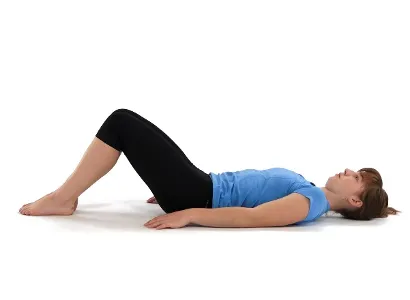
Glute Bridge Start
· Lie on your back with your knees bent.
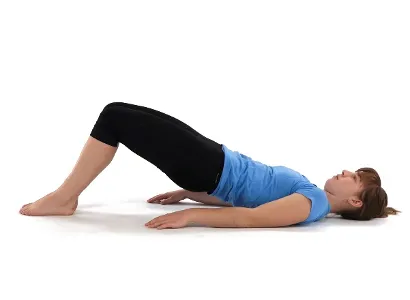
Glute Bridge Finish
· Contract your buttocks to lift your hips off the ground until your trunk is aligned with your legs.
· Slowly return to the initial position and repeat.
Quad Strengthening
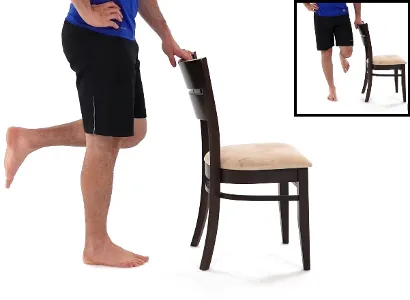
Partial Squat
· Stand straight on one leg holding on to a table or chair.
· Bend your knee slowly to lower into a “semi-squat” position, keeping your knee cap aligned with your second toe.
· Straighten your knee slowly back to its original position and repeat.
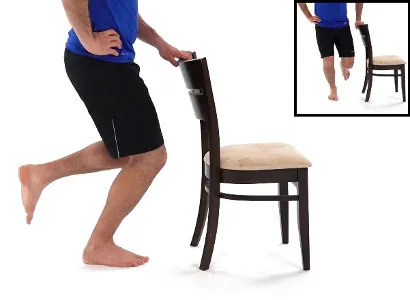
Partial Squat
· Maintain stability of your knee (it should point forward throughout the semi-squat, avoid any lateral movement).
Core Strength
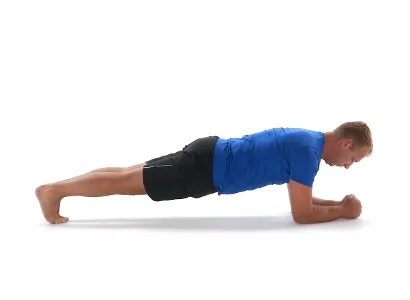
Plank Position
· Start in all fours, then prop yourself up on your forearms and toes, with your chin tucked in.
· Lift up your body, creating a straight line with your body.
· Maintain the position without arching the lower back.
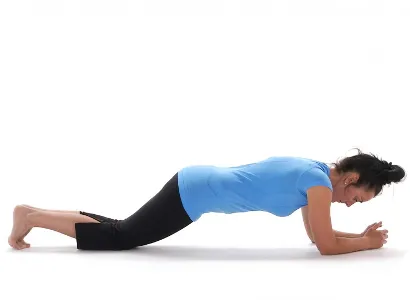
Alternate Plank Position
· Alternatively, prop yourself up on your forearms and knees.
· If you’d like to try other core exercises, have at look at our post: https://www.instagram.com/p/CFZ_s5nB-2n/
Hamstring Strength
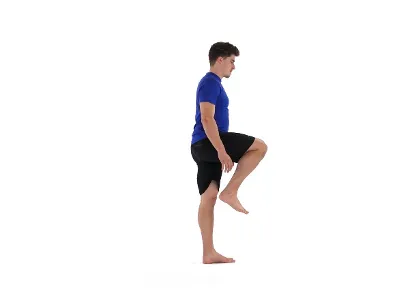
Hamstring Start Position
· Standing on one leg, flex one leg toward the chest, then extend it behind while you bend forward at the waist.
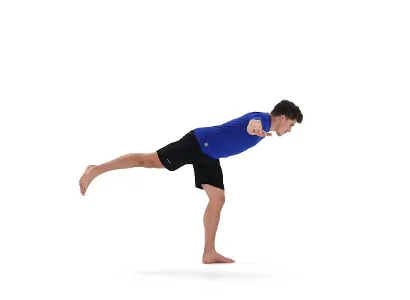
Hamstring Finish Position
· Hinge at the hips and bend the knee, keeping your spine neutral, while reaching outwards with your arms.
· Return to the standing position using your glutes and hamstrings to lift you up.
Hip Abductors
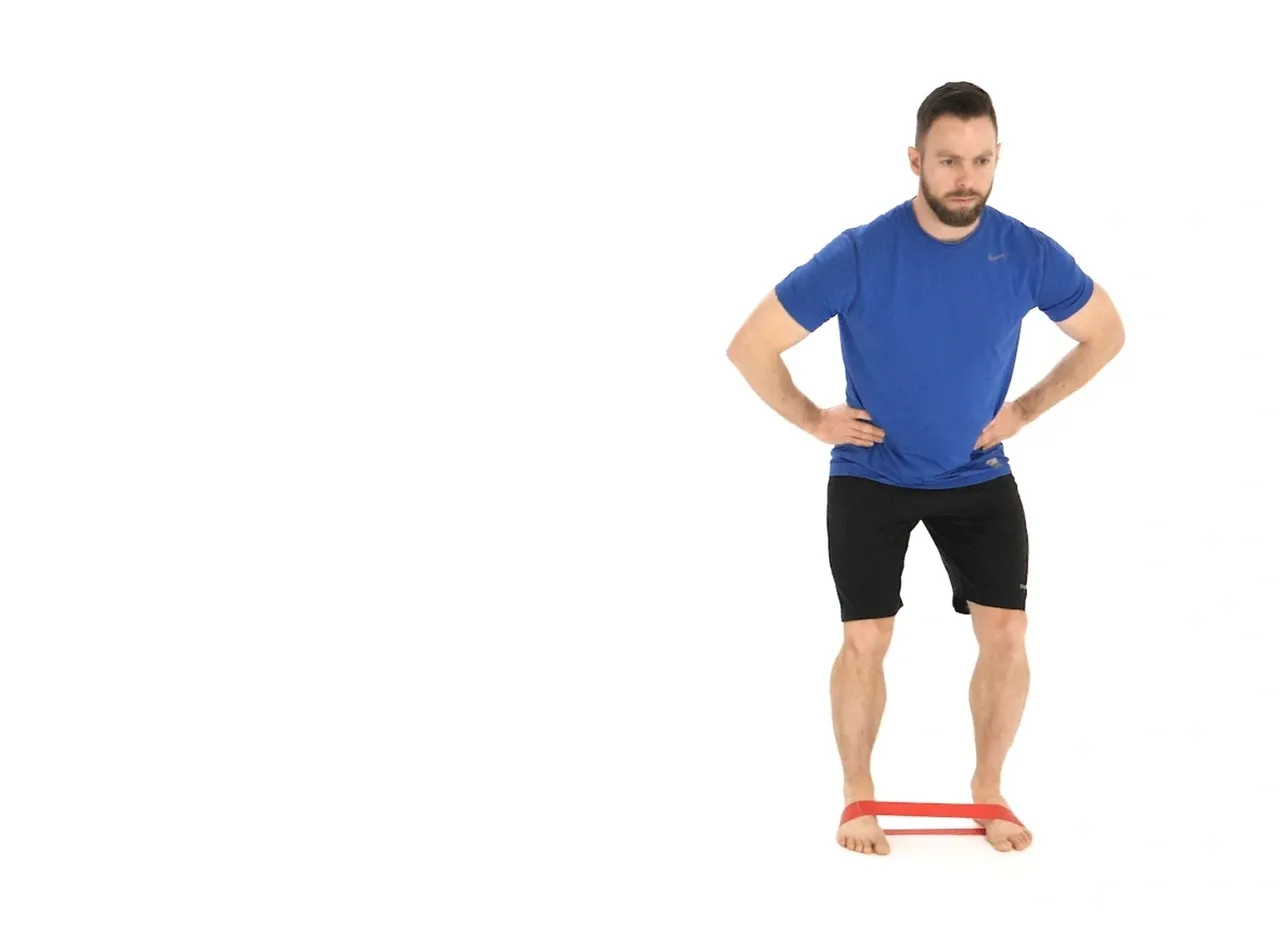 Side Step Start
· Wrap a mini-band around your legs just above your knees.
· Start in a half-squat position, keep the band taut at all times. Push the knees out while taking the steps so they don’t cave in.
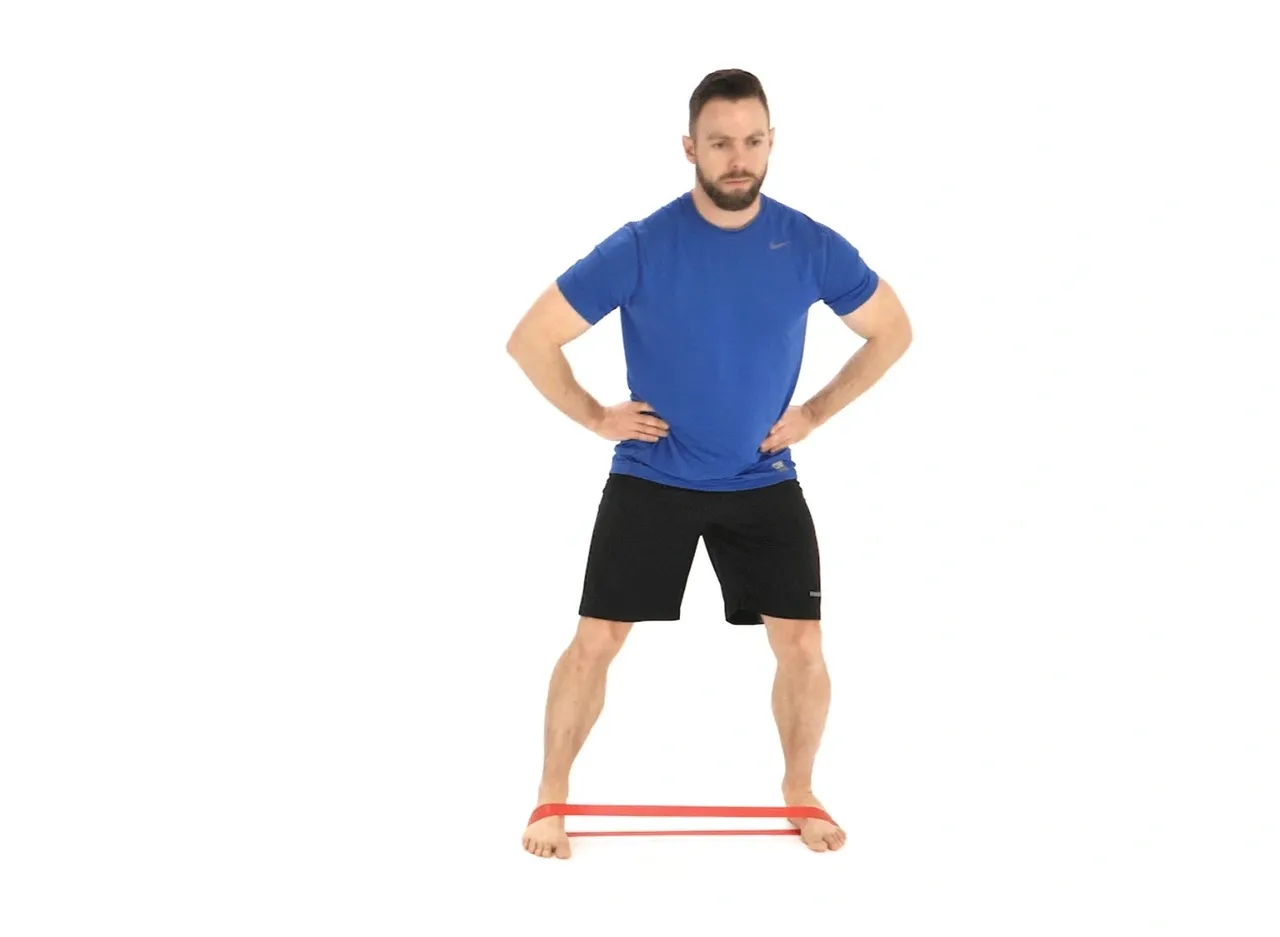 Side Step Finish
· In this position, side step nice and slowly, while maintaining the half-squat and knees pushed out. Step in one direction, then come back to work the other side.
Remember, other than strength training, you should also rest and recover well! Your body needs to adapt to all the work you are putting it through.
If you would like to know more about the muscles specific to running, give this article a read!
If you would like to know more about how physiotherapy can help you get into tip top shape, contact us! We can help you tailor your very own injury prevention strength training program, correct your running form, design sport-specific training regiments, and help you with your injuries. Book with us!