What is spinal stenosis?
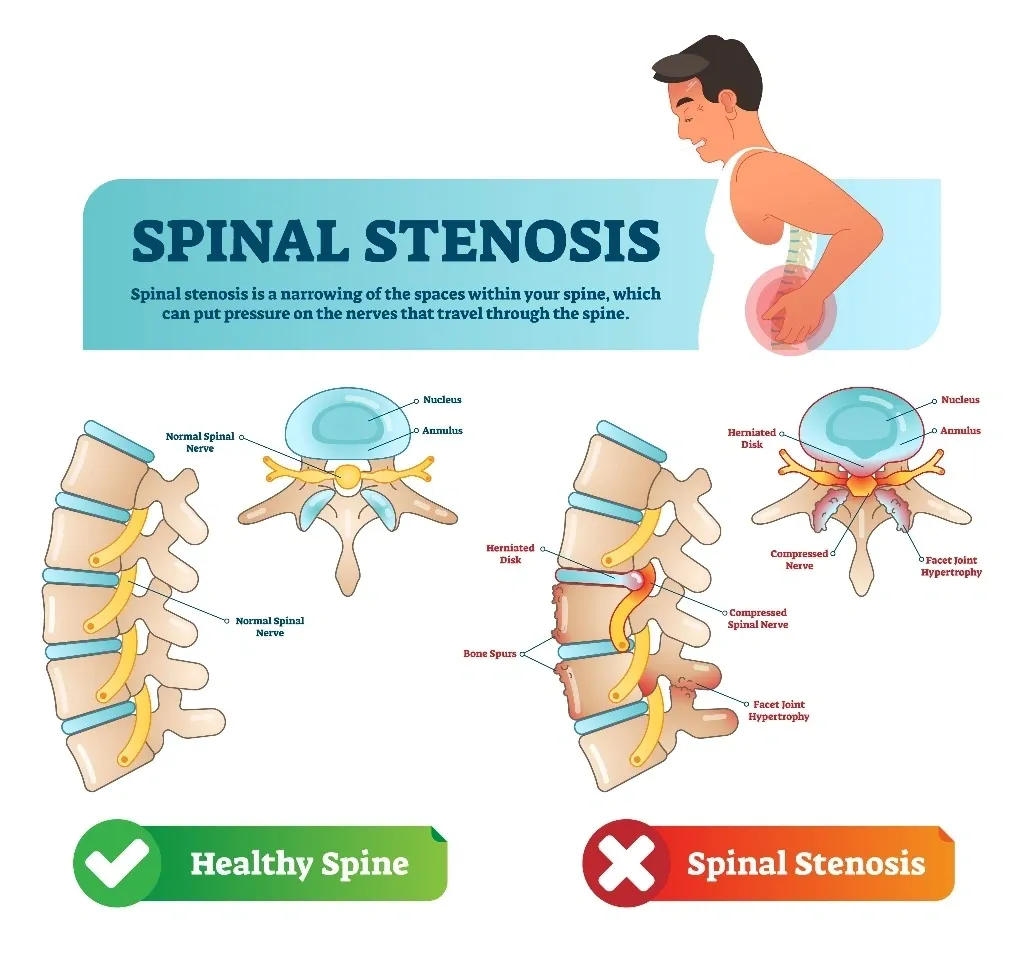
Spinal stenosis is the narrowing of either the spinal canal or lateral foramen. It primarily occurs in the lumbar spine (lower back), above the sacrum and below the thoracic vertebrae. When this occurs, nerves travelling in the affected area are compressed or irritated, leading to symptoms such as pain during walking. This condition primarily affects the legs or lower back, often producing nerve-like symptoms.
Who does spinal stenosis affect?
Lumbar spinal stenosis primarily affects those over the age of 50. While nearly 50% of individuals over the age of 60 have lumbar spinal stenosis, not all cases require attention (Fritz et al., 2014). According to current research, there are three principal avenues to mitigate the degenerative condition known as spinal stenosis: physical therapy, epidural cortisone injections, and decompressive surgery (Fritz et al., 2014).
So I have spinal stenosis – what are my next steps?
For patients with spinal stenosis ranging from mild to moderate, physical therapy is the common route chosen. Even with patients suffering from severe spinal stenosis, it is usually recommended that they try some physical therapy before considering surgery (Macedo et al., 2013). Along with physical therapy, treating spinal stenosis through the use of epidural cortisone injections has become quite common. Containing a glucocorticoid and an anesthetic, the purpose of the injection is to relieve pain by reducing the inflammation caused by the closing of the spinal canal or lateral recesses (Friedly et al., 2014). The final path that one can choose for treating spinal stenosis is through decompressive surgery. It has been shown that the higher the effectiveness of this method is, the more severe the case.
How Physiotherapy can help with spinal stenosis
Your physiotherapist can help determine which kind of stenosis you have (spinal or lateral). They can educate you on your condition (including ways to help), some local manual therapy for your spine and corrective exercises to help improve your core strength and help you move better.
Book a Markham physiotherapist or a Stouffville physiotherapist. You may also need an expert in pelvic floor physiotherapy (and we can help there, too)
Which exercises can I try to help?
We’ve listed a few different exercises to help. Some are for general mobility, and some are for strength. If you have pain with any of these exercises, then stop and speak with one of our physiotherapists in Markham to help you with symptom relief and get you moving better.
Knee to Chest stretch
Start in a lying position
Bring one knee to the chest and hold for 30 seconds. Repeat for the other side.
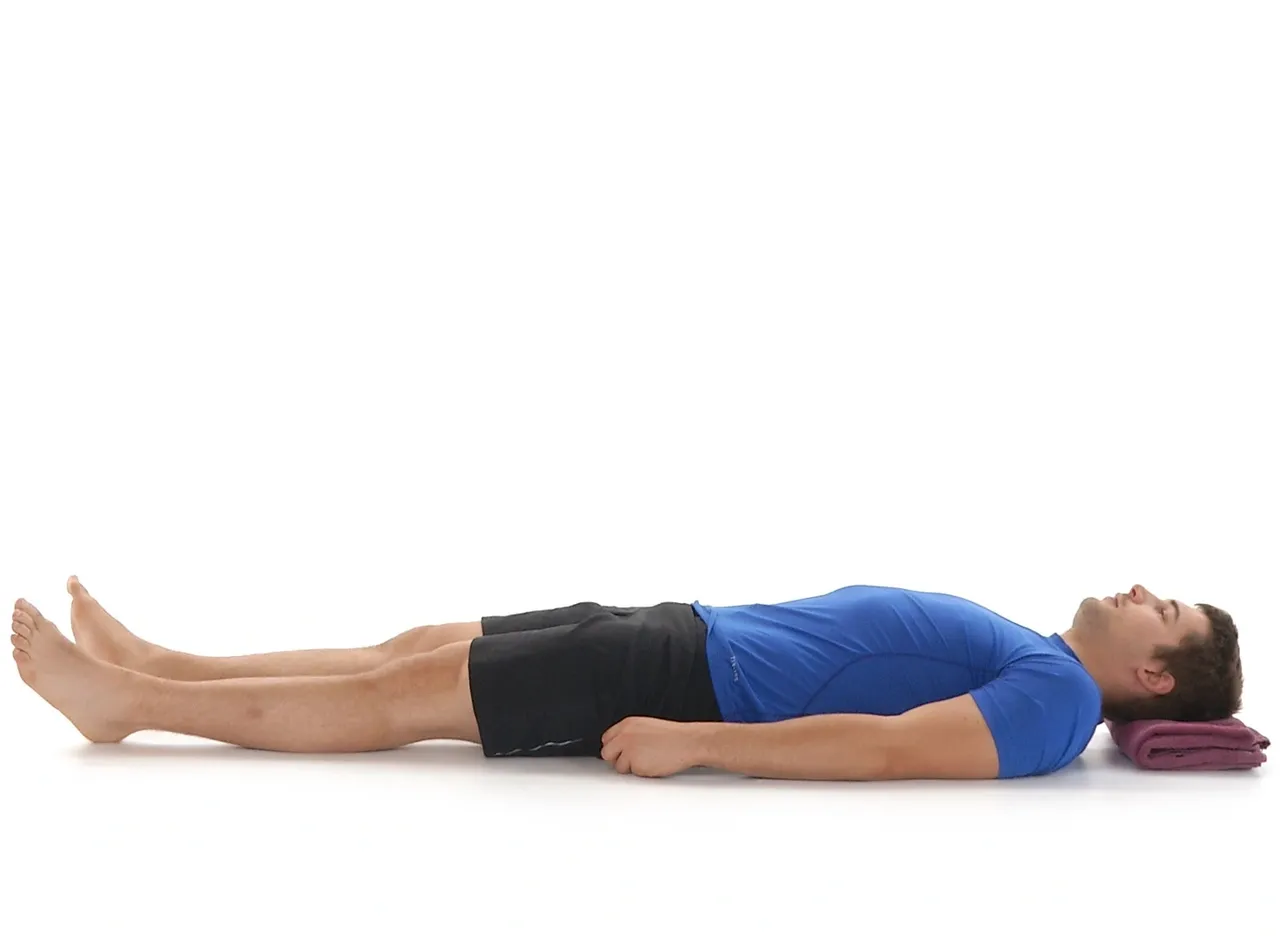
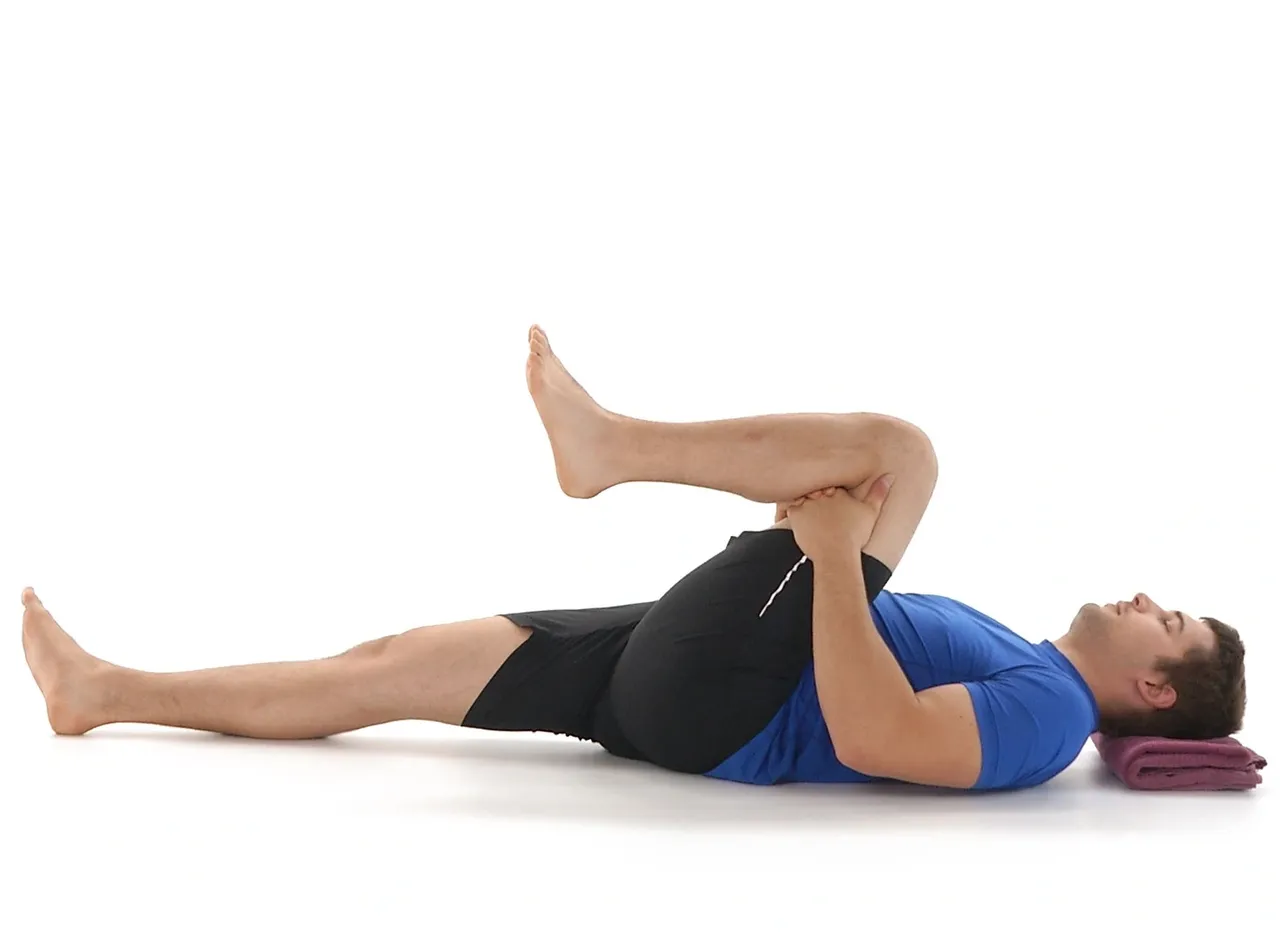 Knee to chest exercise
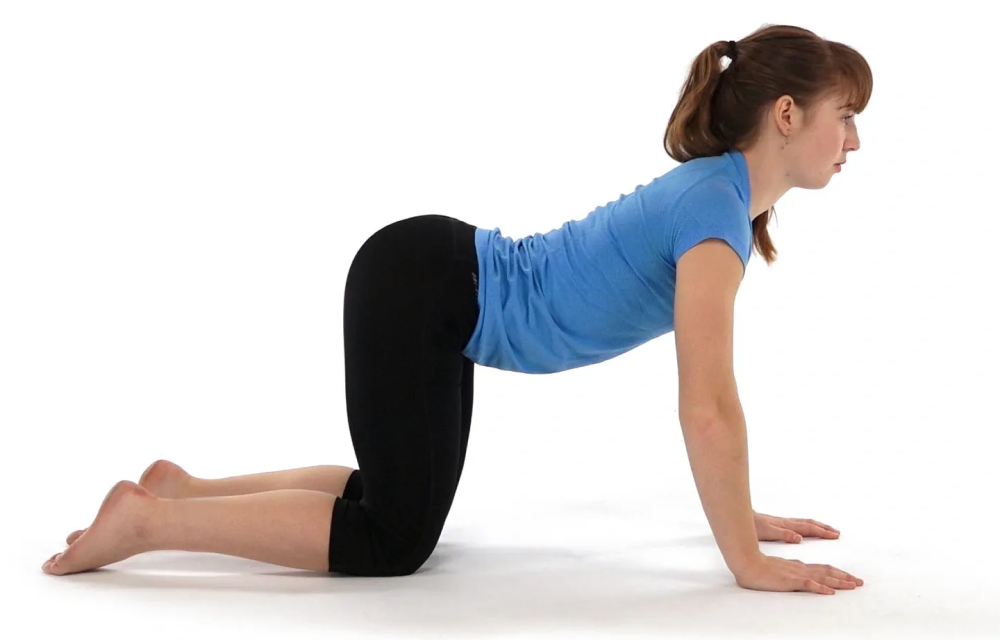
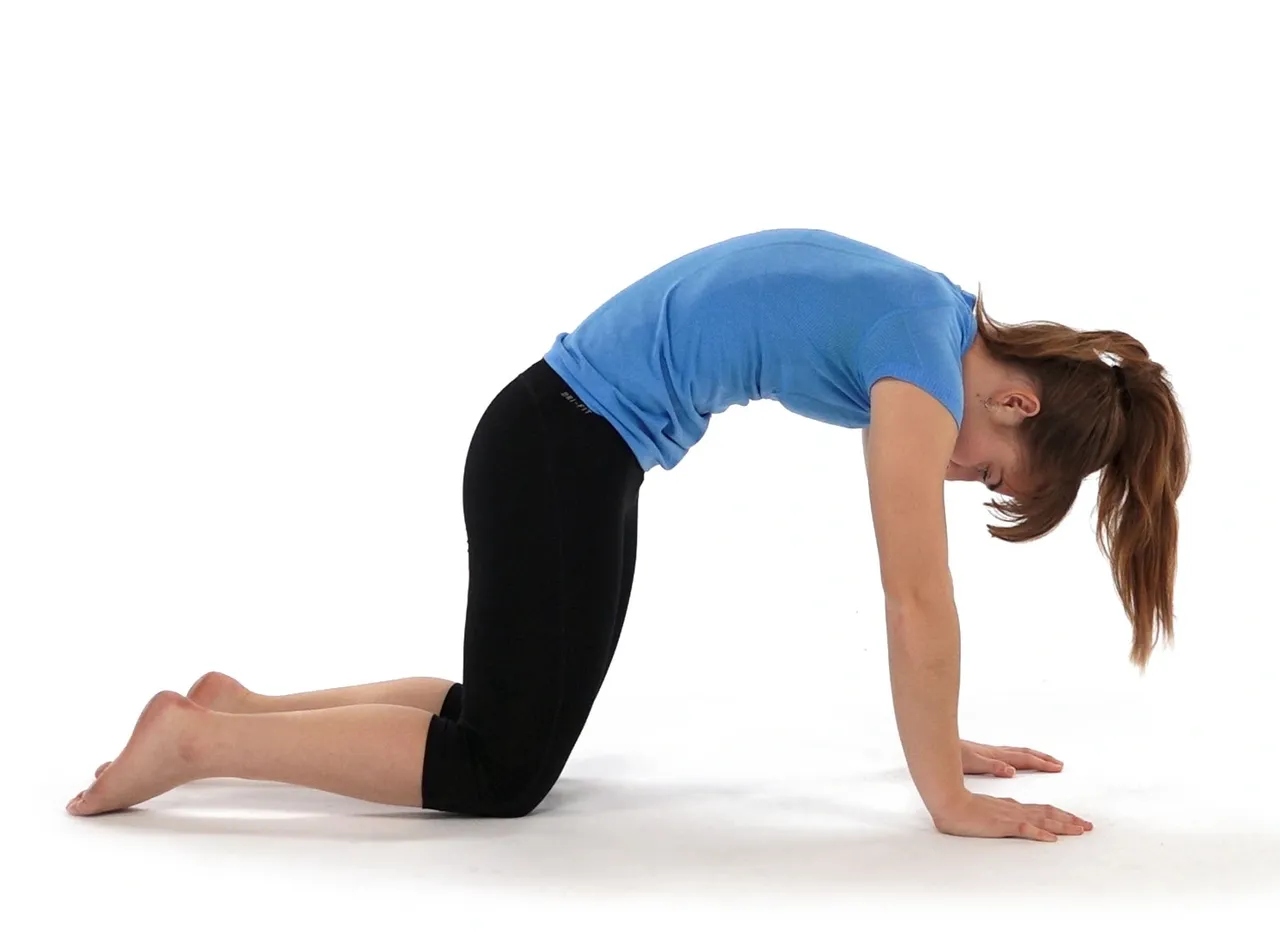
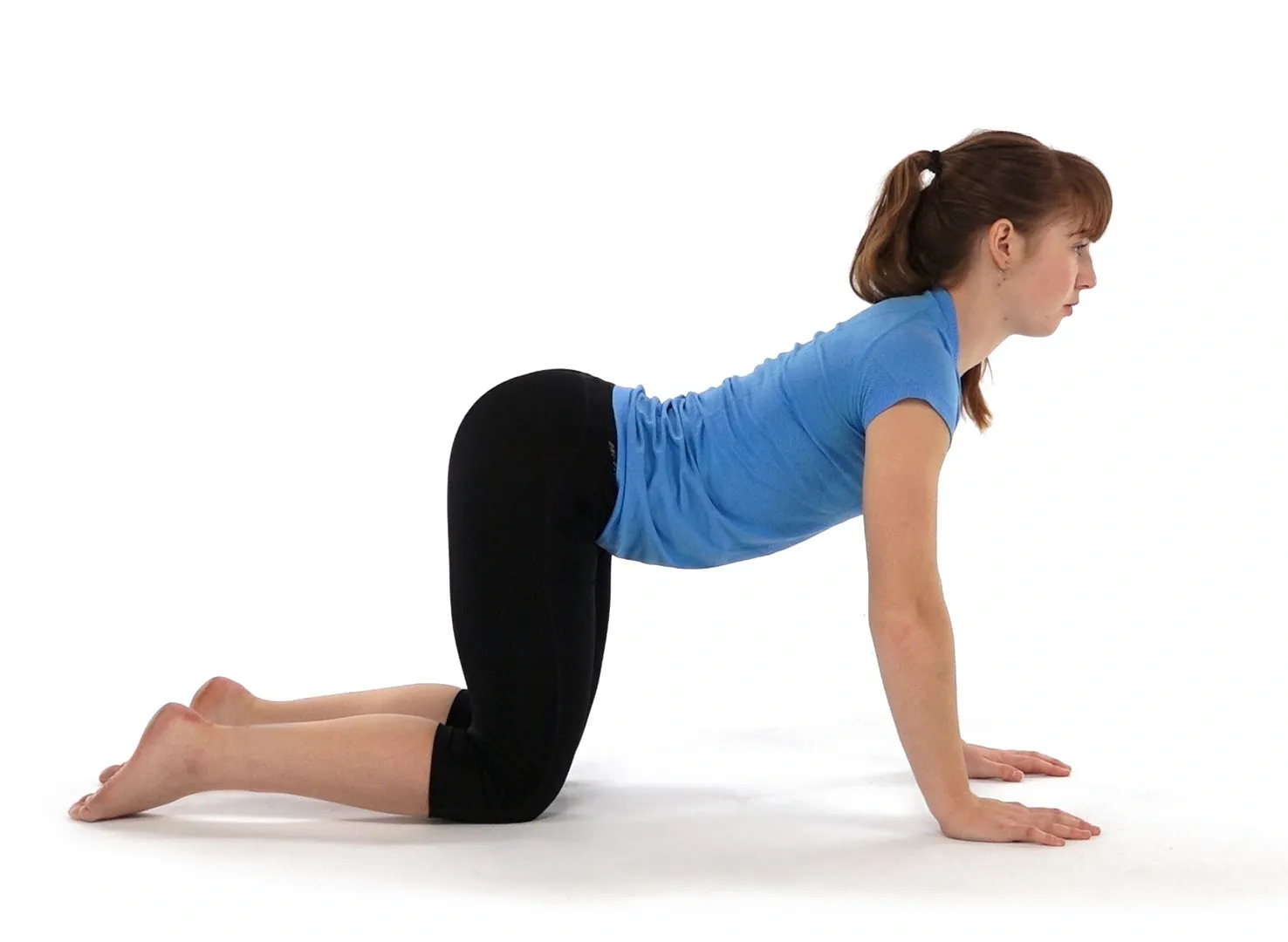
Cat-Camel; Cat-Cow exercise
Start in a four-point position.
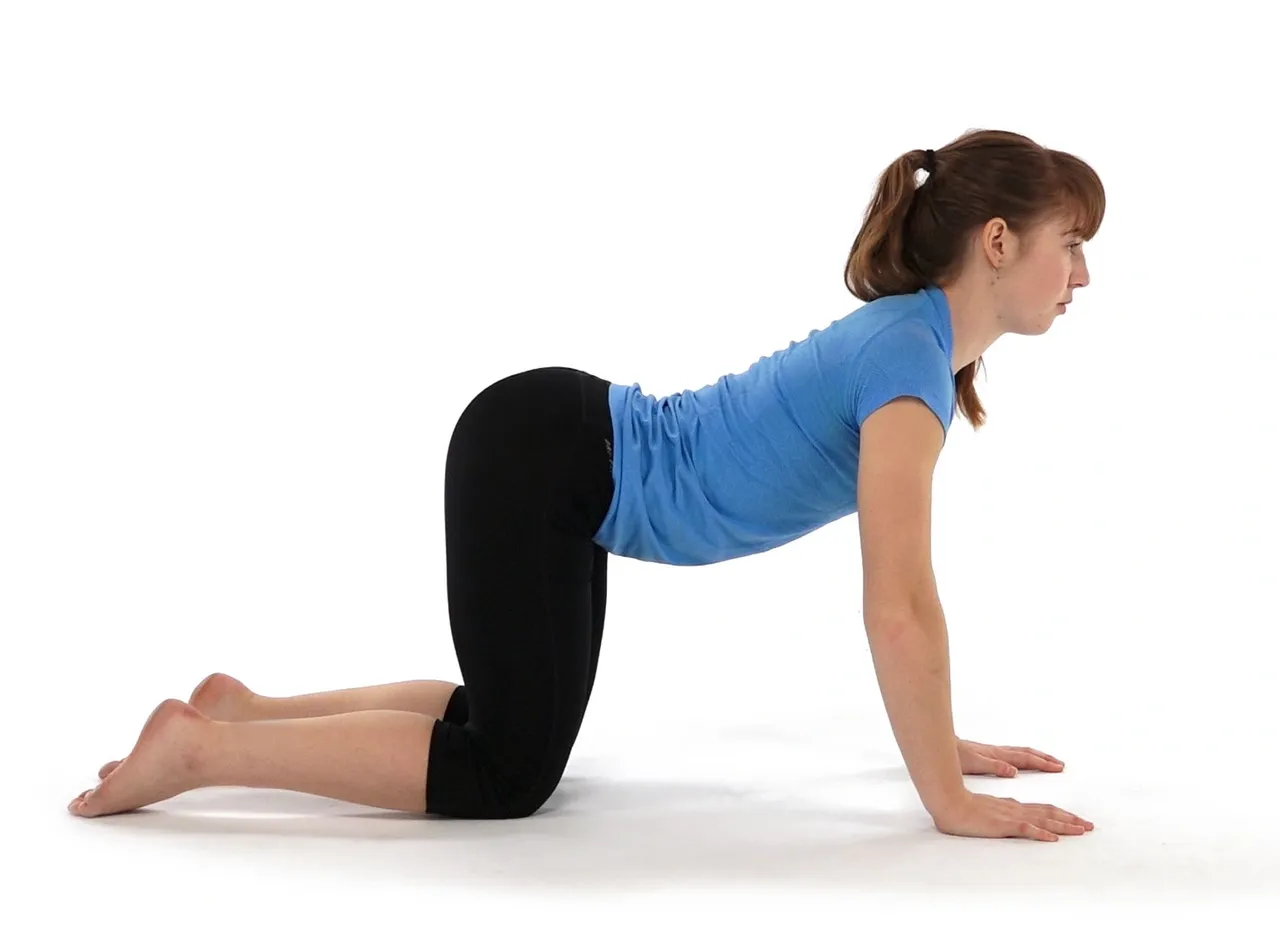
Arch your back in one direction, then move into the opposite arch. Continue to move from one position to the other. Try 8-12 repetitions. There is no need to hold at the end. There should be no pain or tingling going down your legs—if there is, discontinue this exercise.
Hip Abduction
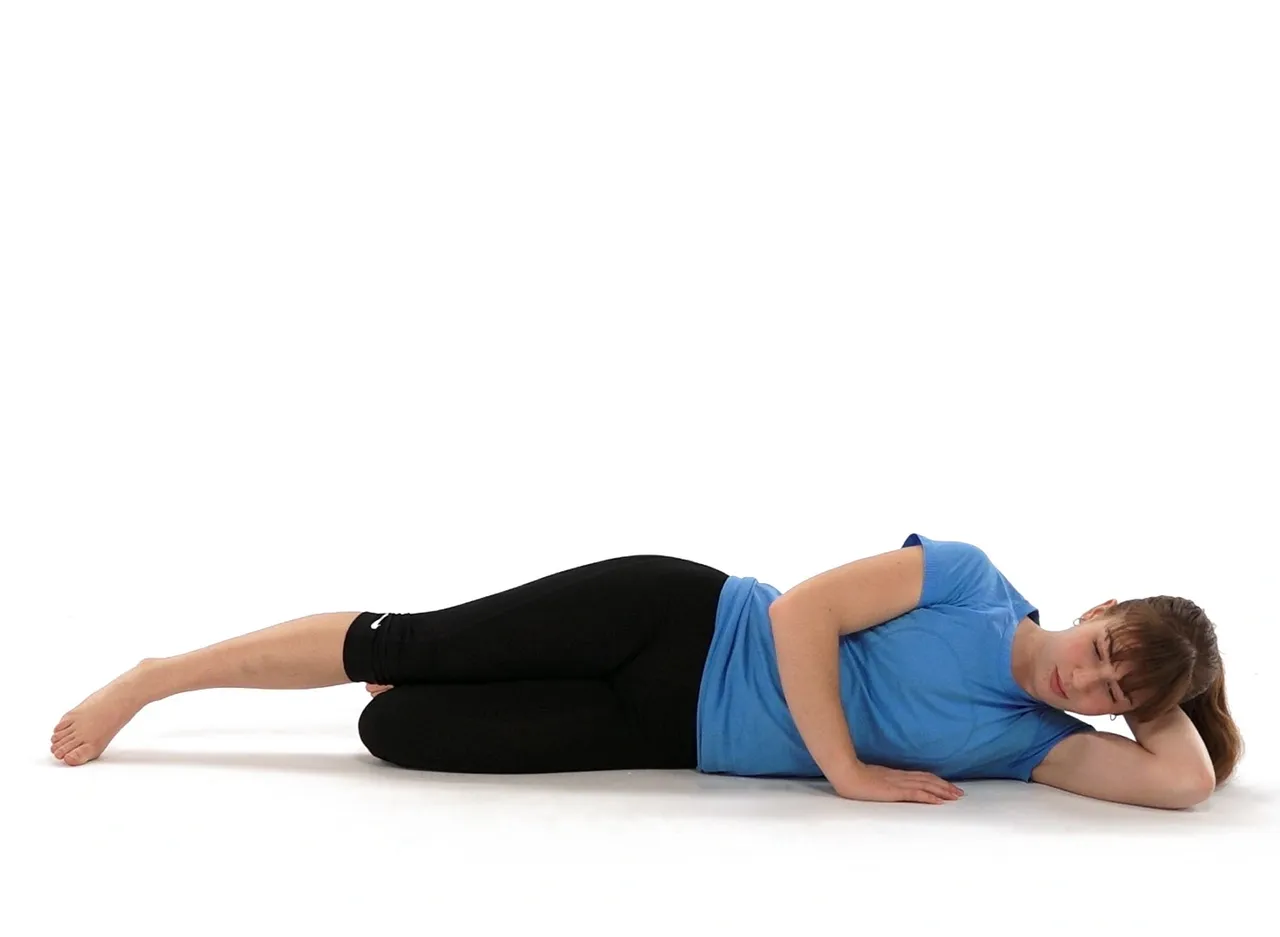
Lie on your side. Bend your bottom leg. Keep the top leg straight.
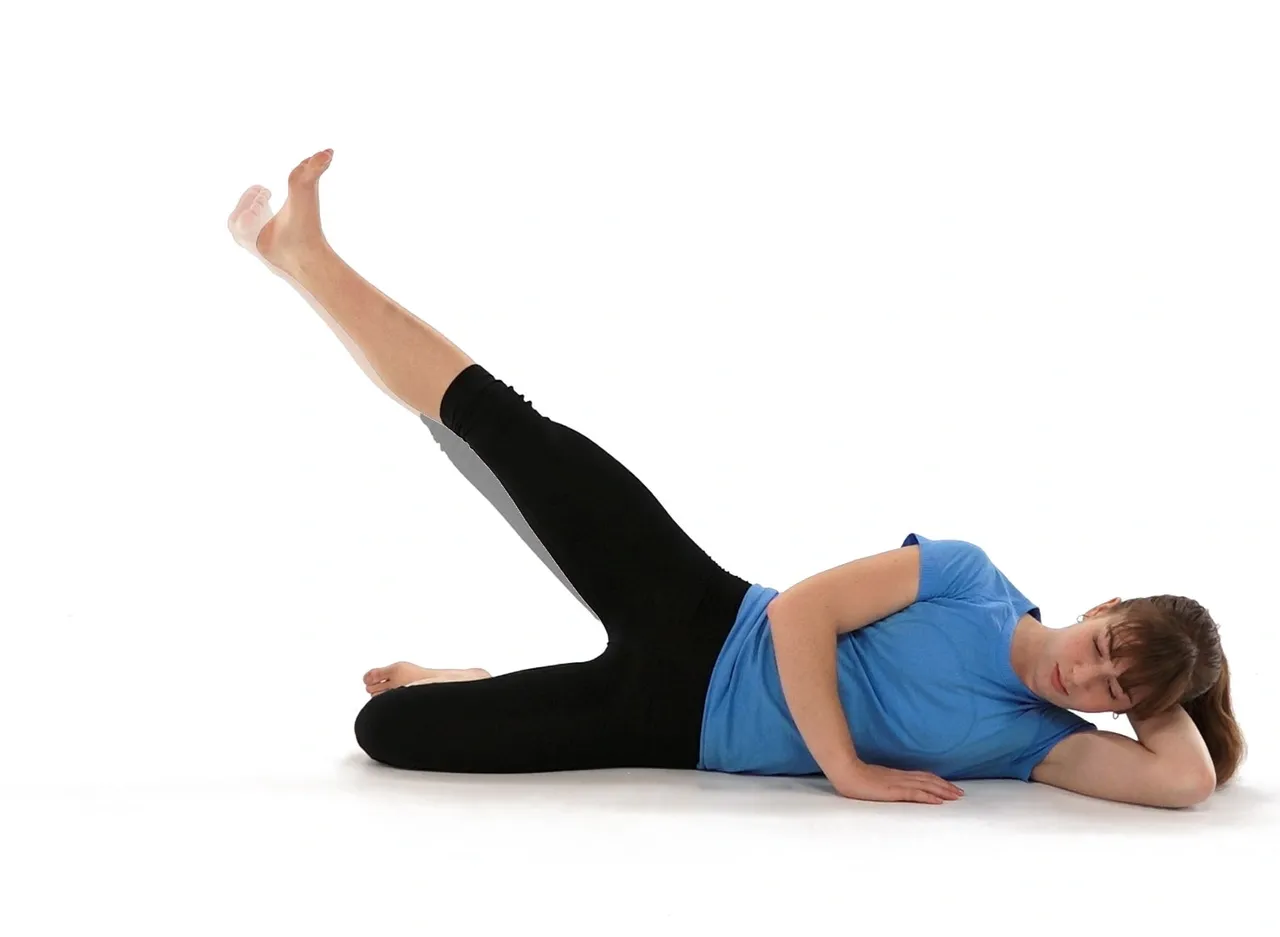
Lift your leg up towards the ceiling. Hold for 1-2 seconds at the top, and control the lowering.
 These exercises are for guidance only. Discontinue if there is any discomfort with these exercises and contact your physiotherapist for a detailed assessment and alternative exercises.