
By: Ingrid Yuen, PT Resident, Pelvic Health Practitioner

Do you ever have a bit of leakage when you sneeze or cough? You’re not alone, about 1 in 3 women will experience urinary incontinence in their life time! However, this is treatable! You don’t have to just accept it to be part of life. Pelvic health physiotherapists are trained professionals who can help you (find out more about pelvic health physiotherapy here)! Leakage may be caused by pelvic floor dysfunction, and pelvic floor dysfunction can be caused by weak pelvic floor muscles or tight pelvic floor muscles:

· Weak pelvic floor muscles: this contributes to stress incontinence (leakage with coughing, sneezing, laughing, running), urge incontinence (sudden intense urges with leakage; this can also be increased urination frequency, including urination throughout the night), and pelvic organ prolapse (this can feel like heaviness)
· Tight pelvic floor muscles: this contributes to constipation, incontinence, vaginismus (pain with vaginal penetration), dyspareunia (painful intercourse), pelvic pain, unexplained pain in the low back
Each person’s experience of incontinence will be different, so kegels are not a one-size-fits-all solution to leakage! Your pelvic health physiotherapist will design a specialized program tailored to your specific needs. This can include a combination of relaxation exercises, stretches, strengthening exercises (such as the kegel), and lifestyle modifications.
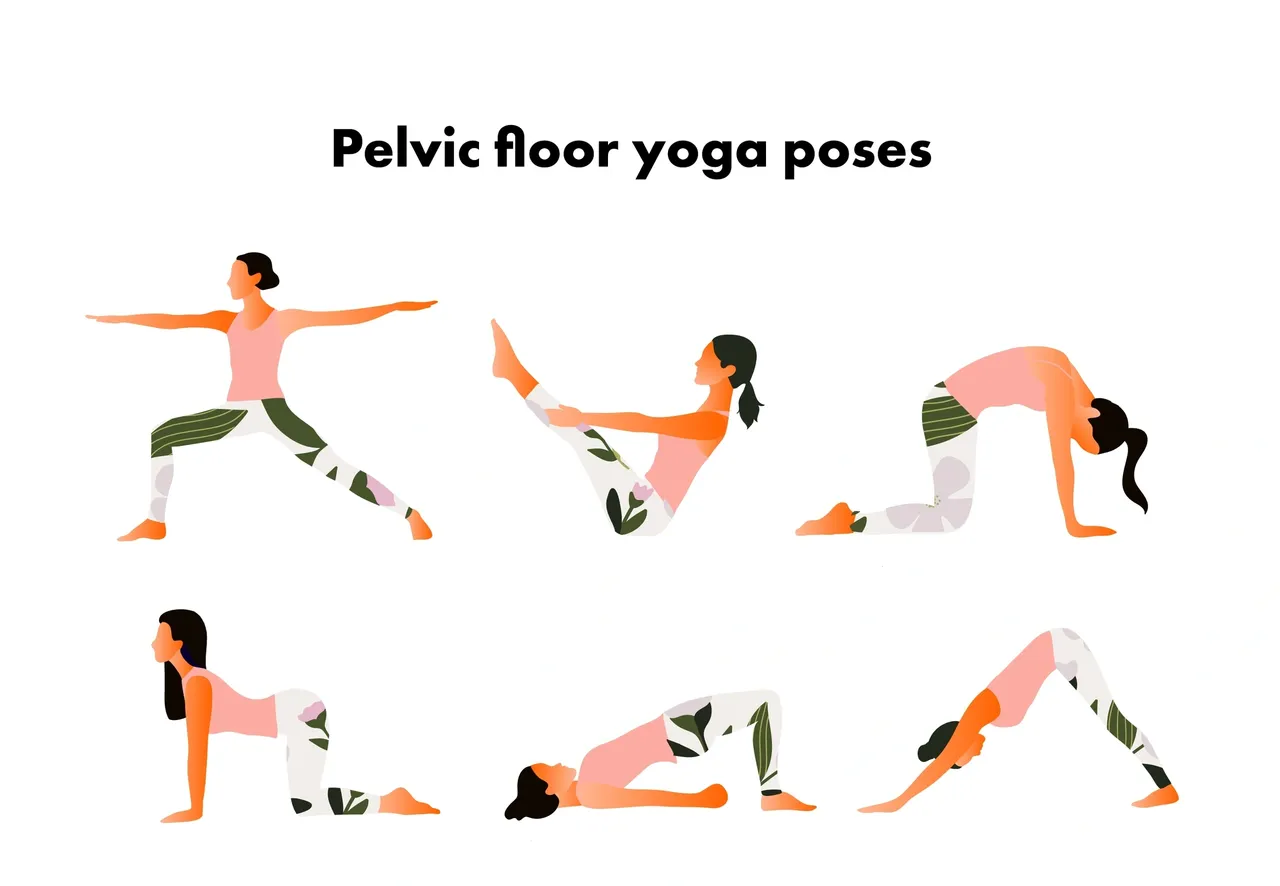
This is why Kegel exercises can sometimes do more harm than good: You need to find the treatment that is best for you! If you are experiencing any symptoms of pelvic floor dysfunction, we are here to help you. Book an online appointment with a pelvic floor physiotherapist, or give us a call.
P.S. When you sneeze, do you also clench your legs and every muscle in your body to stop yourself from leaking? This over-clenching can be counter-productive and make it harder to control your bladder! Learn how to engage your pelvic floor! Next time, try to engage your pelvic floor first and keep the rest of your body relaxed. If you would like to know more about how to engage your pelvic floor, or if you would like to know if you are engaging your pelvic floor properly, book an appointment with our pelvic floor physiotherapist! We are here to help you #movebetter.