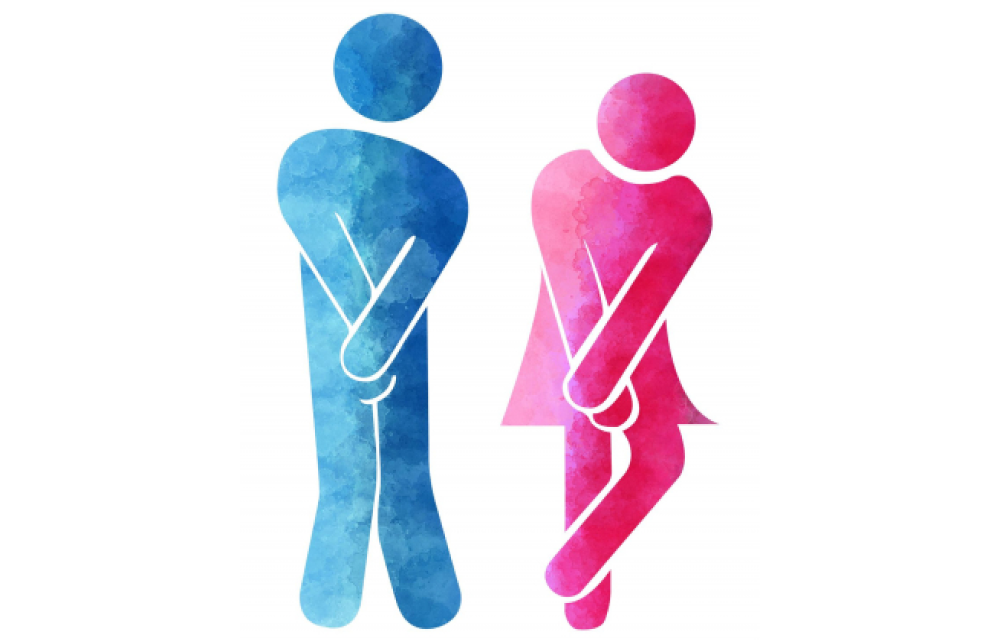
Did you know that 1 in 3 women and 1 in 9 men experience urinary incontinence in their lifetime?
Pelvic health physiotherapists have advanced training in the assessment and treatment of women and men experiencing pelvic pain and incontinence.
Risk factors can include: childbirth, physically strenuous exercise or job, aging and surgery (abdominal, urological /gynecological surgeries).
You don’t have to live with incontinence or other symptoms associated with pelvic floor dysfunction!
Symptoms of pelvic floor dysfunction can include:
- Urinary frequency, urgency, or painful urination
- Constipation
- Pelvic pain, or unexplained pain in low back, hips and/or pelvic girdle
- Painful intercourse
- Pelvic organ prolapse
 WHAT SHOULD I EXPECT IN AN ASSESSMENT?
An assessment is a comprehensive examination carried out by a practitioner with advanced and specialized training. It includes:
- Detailed medical history
- Discussion of current problems and symptoms
- Internal examination (vaginal and/or rectal) of musculature to directly assess for strength, tension and function and identify tissues that may be contributing to pelvic symptoms. This is the gold standard!
- Assessment of low back, pelvis, hips and surrounding muscles and ligaments
WHAT IS THE PURPOSE OF AN INTERNAL EXAM
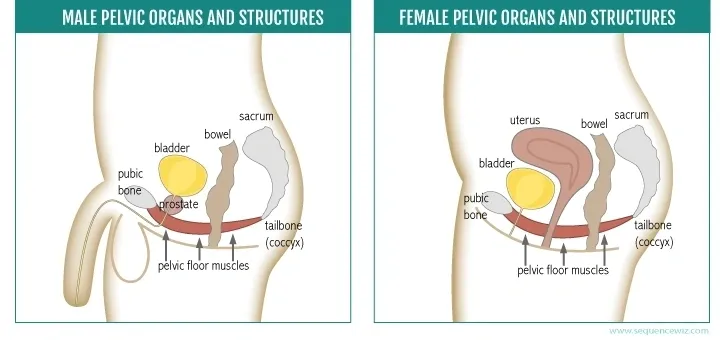
The purpose of the internal exam is to directly assess the tissues of the pelvic floor for length, tension, strength and function. This is the gold standard to identify tissues that may be contributing to pelvic symptoms. It is also used to ensure proper performance of kegel strengthening exercises; verbal instruction by a therapist alone is not enough to ensure proper performance and muscle recruitment.
The need for an internal examination is determined on a case-by- case basis. Alternatives to an internal examination can include observation of the pelvic region and/or palpation over the abdomen. However, these options may result in a longer treatment plan and slower progress.
Our therapists understand that pelvic health dysfunction can be frustrating, stressful, embarrassing and sensitive. We adopt a compassionate and holistic approach to understand your unique story.