Our pelvic floor muscles are an essential part of our intrinsic core, at the foundation of the body. They work closely with the abdominals, lower back and hips to ensure stability with movement and exercise. Due to their location within the pelvic cavity, at the base of the spine, these muscles are also a vital part of bowel and bladder function – keeping us dry and regular – and improves sexual function. Symptoms of pelvic floor dysfunction can include leakage, chronic constipation, frequency, urgency, painful intercourse, nighttime urination and chronic pain in the hips and lower back. They are common after childbirth and pregnancy but they can occur in ANYONE!
Unfortunately, the pelvic floor muscles are often ignored in orthopaedics and fitness. Typical strengthening regimes focus on functional movement and training bigger muscle groups. However, with a stronger foundation (intrinsic core and pelvic floor), these traditional regimes can be even more effective and comfortable.
Learning how to locate, contract and relax your pelvic floor muscles is important for everyone! The following visual cues and exercises are recommended as a starting point. If you have any difficulty in locating, engaging or lengthening these muscles OR if the following results in any discomfort in your pelvic region, consult a pelvic floor physiotherapist.
How do I locate my pelvic floor?
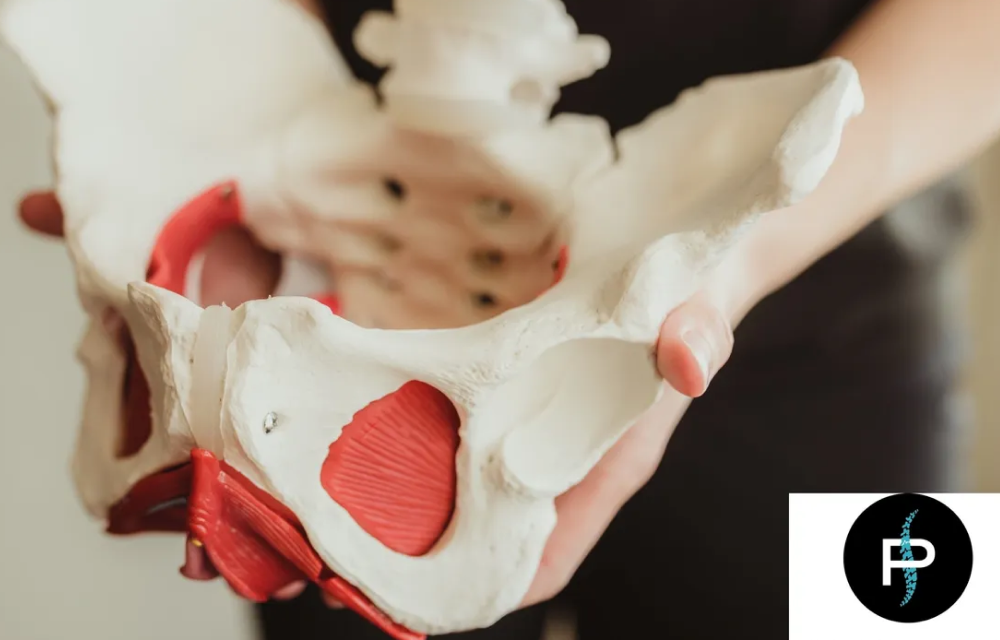
Your pelvic floor muscles are located at the base of the pelvis and spine – they form a hammock shaped sling beneath our bladder, bowel, and other internal organs. Both females and males have a pelvic floor – they are just slightly different in size and shape due to anatomical differences. Below are different cues for both sexes to engage their pelvic floor.
- Locating the pelvic floor for males
Imagine stepping into cold water and lift your genitals as you exhale and engage your core by drawing your belly button towards your spine. Always ensure that you completely relax and lengthen your pelvic floor muscles after performing a pelvic floor contraction.
- Locating the pelvic floor for females
Imagine that there is a blueberry located outside of your vaginal and/or
rectal opening. As you exhale, pick up the blueberry and draw it upwards towards
your belly button without squishing it! Always ensure that you completely relax and lengthen your pelvic floor muscles after performing a pelvic floor contraction.
QUICK TIP: It’s much easier to practice this coordinated contraction in a non-weight bearing position – so, try it first by lying on your back or in child’s pose.
Strengthening your Pelvic Floor
Pelvic Floor Exercise 1: Kegels
A kegel refers to a pelvic floor contraction – the muscles are shortening and tightening. The cues for engaging the pelvic floor in males and females described above, represent what you should feel during a kegel contraction. You can vary this exercise by doing it standing up, lying on your back, or crouching on all fours.
Pelvic floor strengthening exercises, or kegels, are indicated if there is a weakness in this group of muscles. To strengthen over time, perform 3 sets of 8-10 reps, daily. Try to hold the contraction at the end for several seconds before releasing back to starting position. It is important to ensure complete relaxation of the pelvic floor muscles between repetitions. If you cannot hold the contraction to start – keep practicing! It takes time and consistency to build strength, just like any other group of muscles.
Pelvic floor exercise 2: The Bridge
Lie down on the back, bend the knees, and place the feet flat on the floor about hip-width apart. Let the arms fall to the sides with the palms facing downward. Then, contract the buttocks and pelvic floor to lift the buttocks several inches off the ground and hold in this position for 3–5 seconds. Once you’ve counted off, relax the buttocks and pelvic floor muscles to lower the buttocks to the ground. Perform 3 sets of 10 repetitions.
Pelvic Floor Exercise 3: Squats
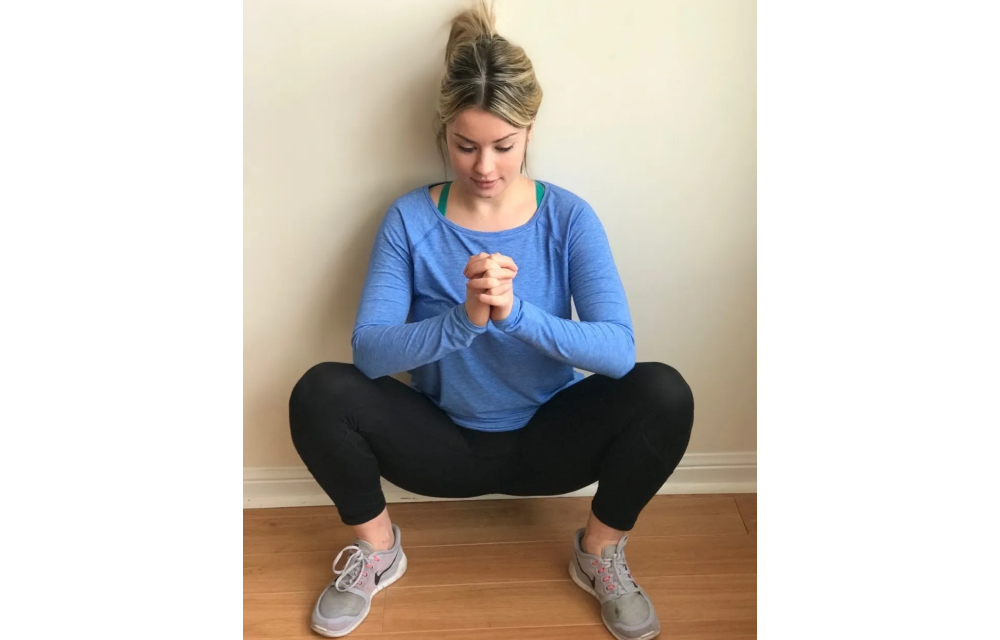
Along with the bridge, squats can promote a stronger pelvic floor and buttocks. However, it’s important to know that not all squats target the pelvic floor. Wide-legged or deep squats may make it difficult to retain a pelvic floor contraction so if you’re focus is on the pelvic floor then narrow and shallow squats will be more a better exercise. .
To begin, stand with the feet hip-width apart, keeping them flat on the floor. Then, you’ll bend at the knees bringing your butt towards the floor, going only as low as is comfortable. As you lower, make sure your knees are in line with your toes. Keep your back straight and lean ever so slightly forward. Focus on tightening the glutes and pelvic floor when you return to a standing position. Again, try to do about 8-10 of these per set and do about 2-3 sets of them.
Remember, EVERYONE has a pelvic floor and pelvic health is important at all ages. However, kegel exercises might not be appropriate for some and can even do more harm than good. In some cases, tightness and overactivity in the pelvic floor could be contributing to pelvic floor dysfunction and treatment looks very different. If you have any difficulty in locating, engaging or lengthening the pelvic floor muscles OR any symptoms of pelvic floor dysfunction, pelvic floor physiotherapists in Markham are here to help you #movebetter. Book a pelvic floor physiotherapist online or give us a call. Have questions? Leave it in the comments below!