You know those tight, ropey bands of muscle that you can literally feel under your skin? The ones that can make you jump up in pain when you press down on it too hard? And sometimes it even feels like the soreness spreads further than you think it should? Those are called trigger points.
What are trigger points?
Trigger points (sometimes referred to as “muscle knots”) are basically tender spots in your muscle that can cause pain and soreness. You can imagine them as sort of like “mini muscle cramps”, where a segment in your muscle has become excessively contracted and shortened.
These trigger points can cause a wide array of symptoms. Some common symptoms include pain, muscle stiffness, and muscle weakness. Trigger points can even present with skin texture changes!
How did I get trigger points?
There are many possible factors that can contribute to the formation of trigger points. Physical strain to your muscles, such as through whiplash, unaccustomed physical activity, and repetitive muscle use, can potentially lead to trigger point formation. These days, while everyone has to work from home, trigger points are more likely to develop from being in awkward, sustained postures for prolonged periods of time.
Besides these physical factors, psychological stress and nutritional deficiencies also play a role in the formation and maintenance of trigger points, so it’s important to recognize that mental health and diet can potentially contribute to physical pain as well.
How do I find these trigger points?
One of the feature characteristics of trigger points is that their pain “refers” to other areas of the body. This means that while the pain you feel can actually be quite diffuse throughout your body, the source of the pain can actually be from a focal, localized spot!
This can make trigger points somewhat difficult to locate, but recognizing that there are common “referral patterns” in which trigger points typically display pain can be helpful. Here are two muscles, the trapezius and the levator scapula, where you can commonly find trigger points, and where their pain can refer to.
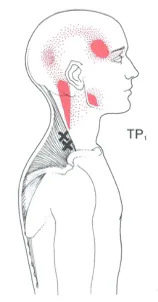
Upper fibres of trapezius (trigger point referral pattern)
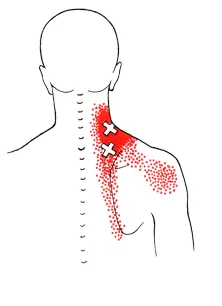
In the images, the X’s represent possible trigger points, and the red dotted areas represent where they typically refer pain. If you noticed that you’ve been feeling discomfort in any of these red areas, it’s possible you have trigger points in these muscles! Try feeling around in the areas marked by X’s to look for trigger points. You’ll know you’re on the right spot when it feels particularly sore or tender. Trigger points in these muscles can easily develop especially if you’ve been sitting at your desk all day.
Ok, so I’ve found some trigger points, now how do I ease the pain?
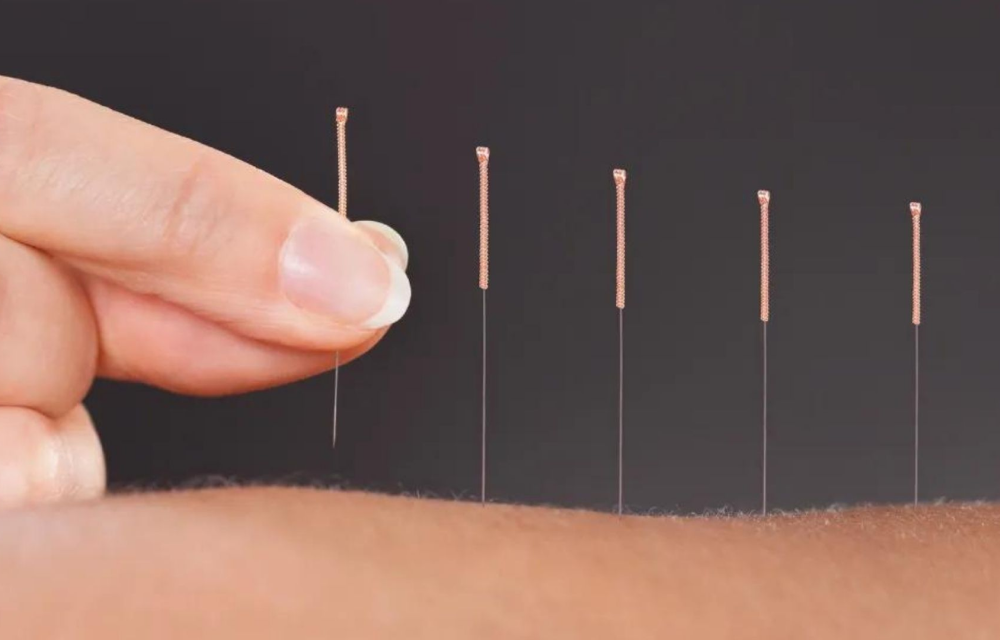
There are a few techniques we typically use to relieve pain from trigger points, including stretching, manual trigger point release, and dry needling. Obviously, I’m not going to recommend that you insert acupuncture needles into yourself, but I can show you some stretches and manual trigger point release techniques you can perform on yourself.
Here’s how to perform a trigger point release in the trapezius (first diagram) with your own hands:
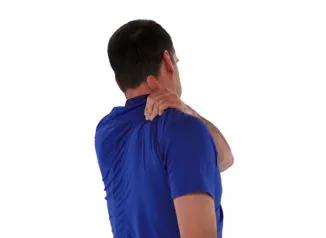
- Sit or stand straight, and hold the trigger points with a solid grip.
- Slowly move your shoulder up-down or front-back or circles while firmly holding the muscles for about 30 to 90 seconds. The pressure you apply should not be enough to induce increased pain.
- Release the hand slowly and repeat until you feel the muscles relax.
Here’s how to stretch the trapezius after you’ve finished with the trigger point release:

- Sit or stand straight and place the palm of your hand on your head.
- Use your hand to pull your head gently down towards your shoulder until a stretch is felt on the opposite side of the neck.
- Hold the stretch for about 30 to 90 seconds.
- Do not turn your head or tilt it forward or backwards while you perform this stretch.
Here’s how to perform a trigger point release in the levator scapula (second diagram) with a lacrosse ball:

- Stand against a wall with a lacrosse ball or tennis ball placed on your trigger points.
- Apply a firm pressure, but not enough to increase pain significantly.
- Keep the pressure, move your body up-down and side-to-side to slowly roll the ball along the muscle for about 30 to 90 seconds or until you feel the muscles relax.
Here’s how to to stretch the levator scapula after you’ve finished with the trigger point release:
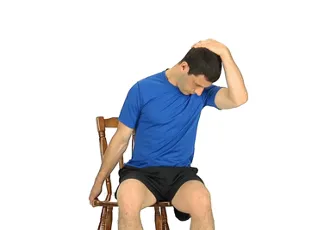
- Sitting on a bench or chair on the side edge, hold under the bench with the hand on the tight side, ensuring that the arm is out from the body and that the shoulder is down.
- Drop your head forward onto your chest, and bring your nose in towards our armpit.
- Bring your opposite hand up onto the side of your head to assist the stretch, and hold for 30 to 90 seconds.
These are just a couple strategies that should help you manage your neck and shoulder pain if they are coming from these common trigger points. As mentioned earlier, there are many potential contributors to your trigger points, so stretches and self-release techniques may not be enough to eliminate your pain permanently. You must also address all the other contributors, including postural correction, lifestyle changes, stress management, and possibly dietary changes as well!
Also, if any of these techniques is actually increasing your pain, stop doing them. Please see one of our professional Markham physical therapists at The Physio Spot in order to formally assess the source of your pain. We are available for virtual appointments (especially helpful during these times of social distancing).
PS: Hope you found this helpful, you can expect future blogs about trigger points in other areas too!