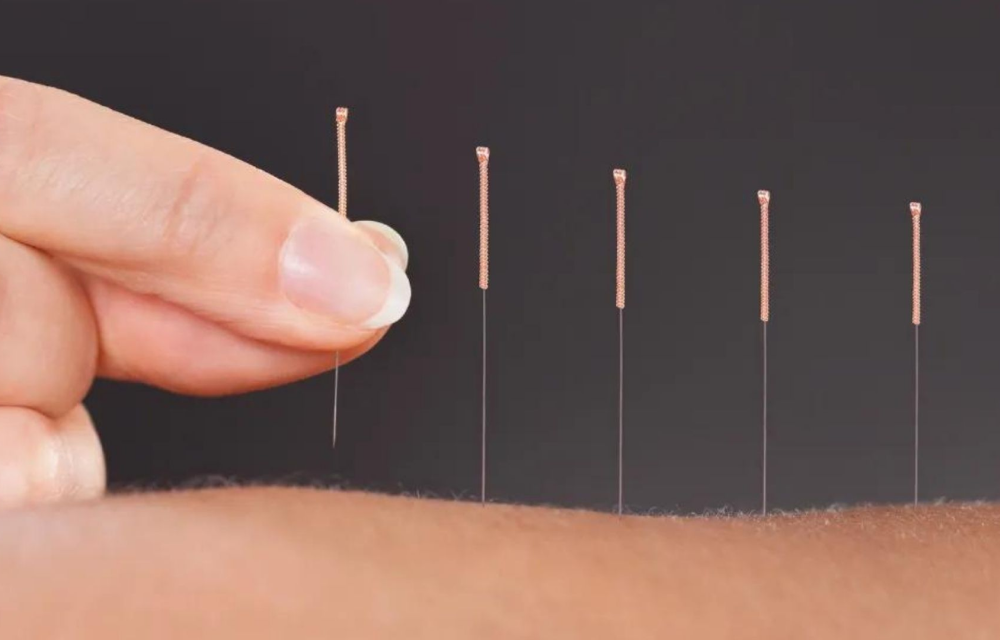
Dry needling is a modern treatment designed to ease muscular and neuropathic (nerve generated) pain. Its popularity is growing. During dry needling, a practitioner inserts an acupuncture needle into your skin. These needles are sterile, fine, short, stainless steel needles that don’t inject fluid into the body. That’s why the term “dry” is used.
What are the benefits of getting a dry needling technique?
Many studies have shown that Dry Needling is an effective way to manage Mild to Moderate Muscular or Nerve-Generated Pain.
What are the risks of getting a dry needling technique?
Common risks include:
- Temporary soreness
- Possible bruising
- A drop of blood at the treatment point
Acupuncture vs. Dry Needling
While both techniques use the same type of needles, the approach for use is different.
Both Acupuncture and Dry Needling require the use of sterile, one-time use needles.
Both require the skin at the treatment area to be cleansed with Stanhexidine.
Acupuncture can entail using multiple needles and leaving the needles in for 10-20 minutes depending on the desired treatment effects.
Dry Needling uses one needle at a time, with the goal of eliciting a twitch or an ache at the treatment area. Once that is achieved, the needle is removed and the next area is treated.
Acupuncture techniques do not require the practitioner to be gloved. The Dry Needling techniques used at our clinic require the use of nitrile gloves.
What sort of training do Physiotherapists need for Dry Needling?
There are many courses offered, but our therapists have taken courses that are held to the highest educational and examination standards.
Our therapists that practice Acupuncture are certified through Acupuncture Canada. They have undergone a rigorous examination procedure to determine their excellence with performing these techniques.
The therapists that practice Dry Needling have demonstrated at least 5 years of Orthopaedic experience and have achieved at least a Level 3 in their training (there are 5 levels) with the Orthopaedic Division of the Canadian Physiotherapy Association. Their programs were taught through the University of British Colombia, or in conjunction with University of Western Ontario.