Core strengthening is a big catch phrase in the fitness and rehab world nowadays, but what does it really mean? No, core strength does not mean having “six pack abs”. Your core extends well beyond the abdominal muscles and has many important functions. Core strength is important for injury prevention and performance improvement but also just for everyday activities. Everyone from desk jockeys to high performance athletes can benefit from a core strengthening program!
What is your Core?
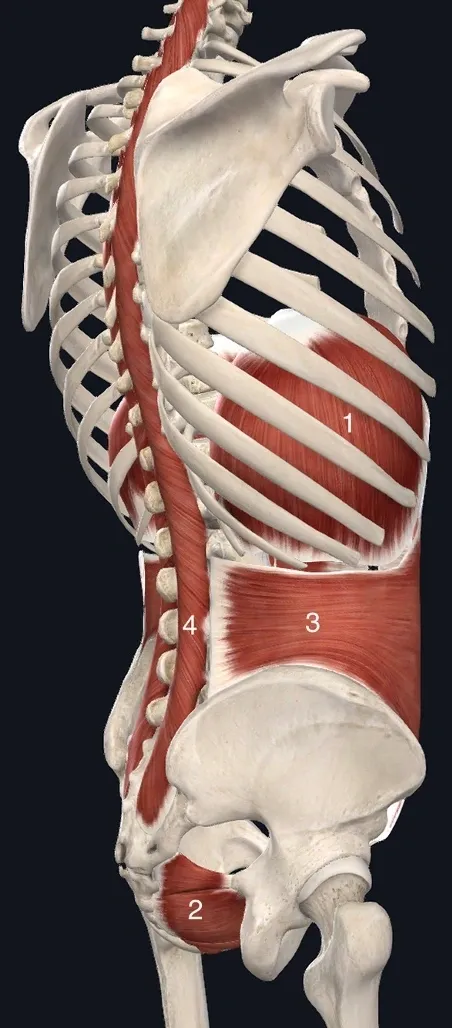
The core consists of muscles of the pelvis, hips, low back, and abdomen and can be broken down into deep “stabilizers” or superficial “movers”. The deep core consists of four key muscles:
1. Diaphragm – yes breathing matters!
2. Pelvic Floor
3. Transverse Abdominis
4. Multifidus
Activating these muscles are the first step of core training. Along with these muscles, you cannot forget that the core includes the lumbar spine, pelvis and their respective joints.
Why is a strong core important?
You may be thinking, what is core strength important for? The answer is simple, EVERYTHING. As we have mentioned previously, core strengthening is an important component in treating low back pain. Research has shown that low back pain and injuries can affect the timing and strength of key core muscles. The deep stabilizer muscles work to protect your spine and are anticipatory in nature, meaning they prepare your body for movement. The coordination of these core muscles will allow you to lift loads, produce force and move efficiently!
How can I train my core?
Here are a few exercises that can be incorporated in your core strengthening program.
1. Heel Slides
Lie on your back with your knees bent and your back in a neutral position (halfway between flat back and arched back). Engage your core and breathe out softly while you slide one foot out until your leg is straight. Return slowly to the initial position and repeat with the other leg.

Heel Slides
2. Dead Bug
Lie on your back and place both knees and hips bent to 90 degrees and both arms pointed towards the ceiling. Activate your core by bringing your belly button inward and breathe out while you lower one leg straight and lower the opposite arm over the head. Just before you touch the ground return the leg and arm to the starting position and repeat with the other leg and opposite arm.
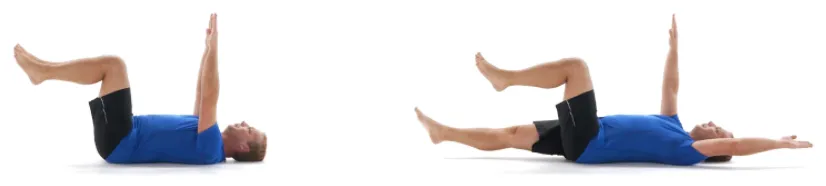
Dead Bug Exercise
3. Bird Dog
Get on your hands and knees with your knees directly under your hips and your hands directly under your shoulders. Your back is in a neutral position. Engage your core then lift one arm and the opposite leg without allowing the trunk or pelvis to move or rotate. Lower your leg and arm back to the floor and repeat with the other leg and the opposite arm.

Bird Dog Exercise
Training the core at any level of fitness can be difficult. For any questions or if you are in need of a detailed core assessment, contact any of our Markham physiotherapists!