There are soooooooo many new changes to being a new mamas, some frequently talked about (like the sleep deprivation and all those diapers) but some more hush-hushed. During pregnancy, many parts of a soon-to-be mom’s body changes: hormones shift, ligaments increase in laxity, breasts enlarge, abdominal wall stretches, the inner core unit coordination/strength/flexibility changes.
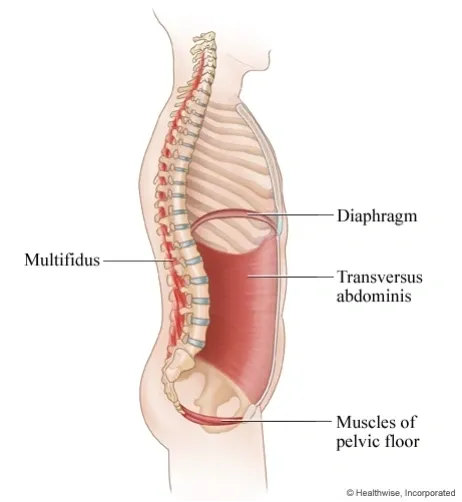
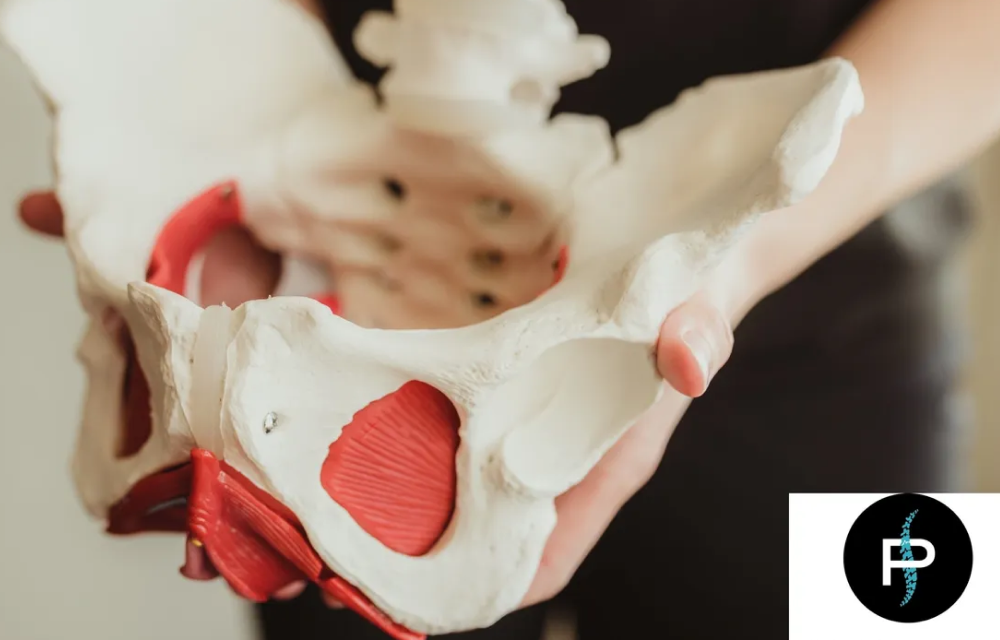
The inner core unit is essential in stabilizing and controlling the spine and the pelvis, four muscles (diaphragm, pelvic floor, transverse abdominis, multifidus) work together to help us breathe, maintain our posture, control our movement, etc. With pregnancy, muscles are stretched and things are squished, so this pressure system management might be disrupted and off sync. Additionally, vaginal deliveries can strain the pelvic floor muscles, tissues and nerve and a Cesarean-section is also a major surgery that will require recovery of the inner core.
These changes may last for up to a year after birth, but mom’s bodies certainly are NOT broken. The body has a way of healing itself. There are a few common conditions postpartum
· Diastasis recti
· Urinary incontinence (leakage)
· Pelvic organ prolapse
· Pelvic girdle or back pain
· Cesarean or episiotomy or perineal tear scarring
· Pain during intercourse
· Heaviness in the vagina or rectum
However, just because pain is common DOES NOT always mean it is normal. If you feel that you need some extra support in your recovery, physiotherapy is one way to help. A pelvic health physiotherapist can help you:
· Recover from the discomfort after childbirth
· Manage your pain
· Strengthen the inner core and pelvic muscles
· Return to exercise
· Identify postpartum risks
If you would like to know more about pelvic floor physiotherapy, or how physiotherapy can help you manage pre- and post-partum, book an appointment with our pelvic floor physiotherapist Jayme (As an added bonus, Jayme also specializes in pediatrics physiotherapy, so she can also help with any tiny human-related concerns).