Most people experience headaches daily. A headache refers to some level of pain in the head or face. The pain can be pulsating, throbbing, shooting, sharp, or dull and last minutes, hours, or days. Headaches have a variety of causes and many treatment options, such as medication, stress management, and physiotherapy.
Here are three of the more common headaches we tend to see in the population:
Tension Headaches
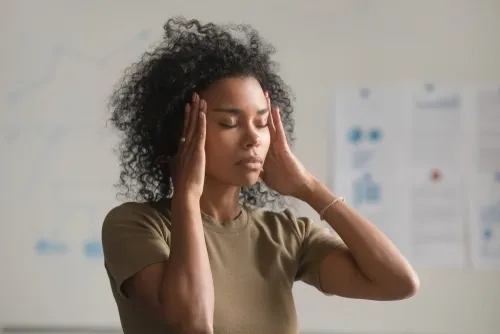
These are the most common type of headache people experience.
These affect both sides of the head and make it feel like someone is pressing into the sides of your head.
Tension headaches can last minutes to days but are not associated with nausea.
The exact cause of tension headaches isn’t known. Experts theorize that a combination of tension and anxiety is involved in some capacity.
Migraine Headaches
This is the second most common type of headache reported. These can be recurring headaches—people usually know this headache is coming on before symptoms worsen. Many people report visual or sound sensitivity when it occurs. The intensity can be moderate to severe and can be aggravated by a workout or other prolonged activities. It usually affects the side of the head.
Cervicogenic Headaches
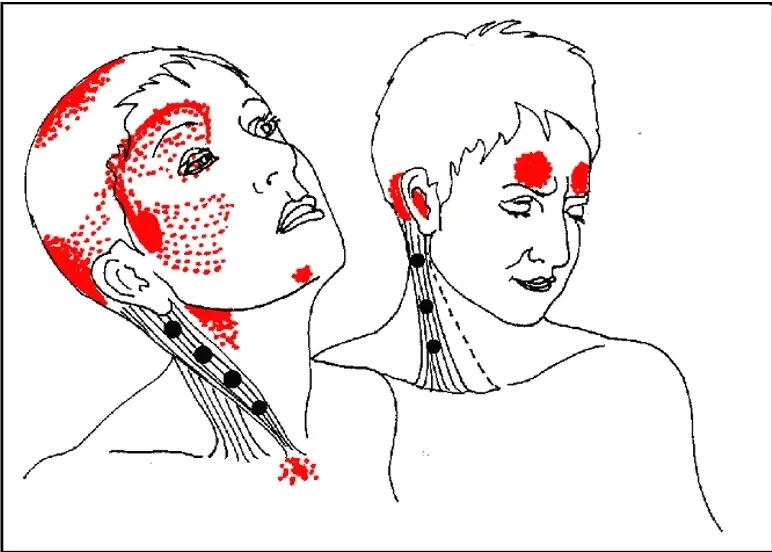
Cervicogenic headaches are tied to dysfuction in the upper neck.
This is a headache caused by various structures in the upper neck region.
This headache is usually dominant on one side of the head and neck.
It can last for varying amounts of time—people report these headaches lasting for one hour or sometimes multiple weeks!
Restricted upper neck movement or poor posture can contribute to the mentioned symptoms of this type of headache.
People with this kind of headache generally complain about tenderness in the neck area closest to the base of the skull.
What we can do to help with your pain
Many of these symptoms overlap and can be confusing to separate. Our Stouffville or Markham Physiotherapists can help determine what type of headache you are experiencing and give you ways to manage the pain.
Education
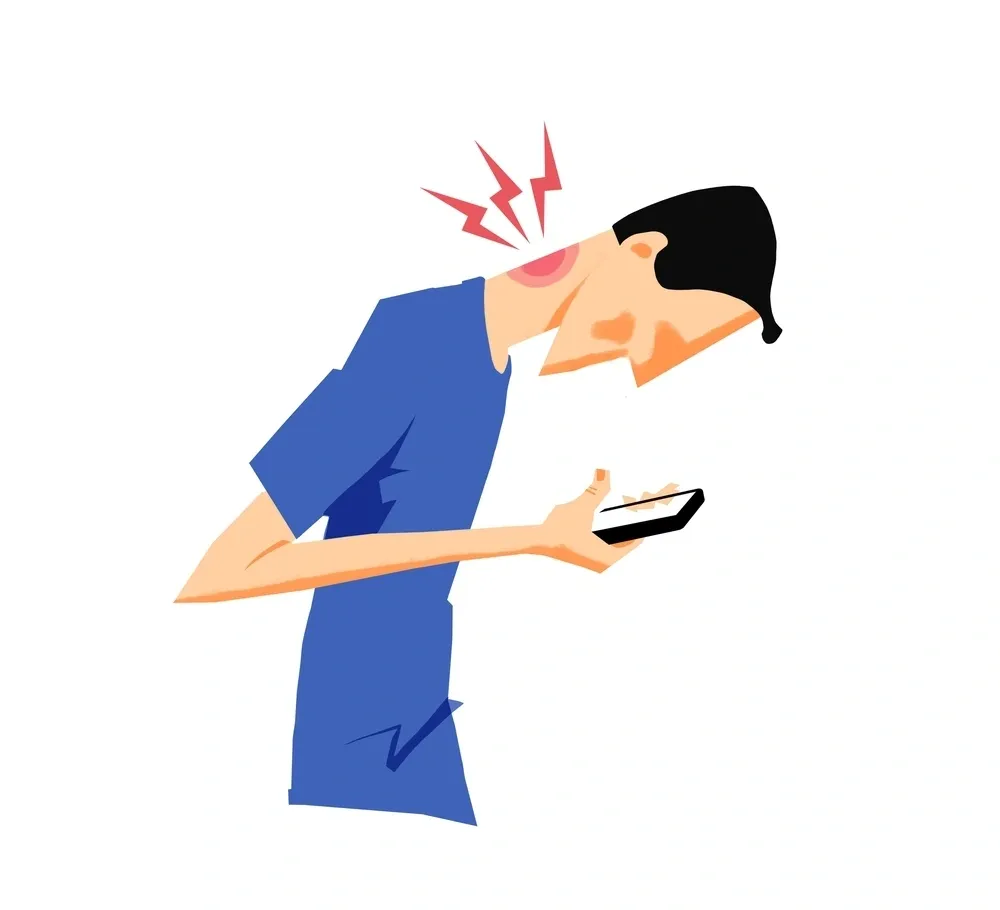
Poor posture can cause neck and headache pain
Sometimes, we do things that predispose us to pain without knowing it. Your physiotherapist can help educate you on proper posture and movement patterns that may be contributing to your pain.
Manual Therapy
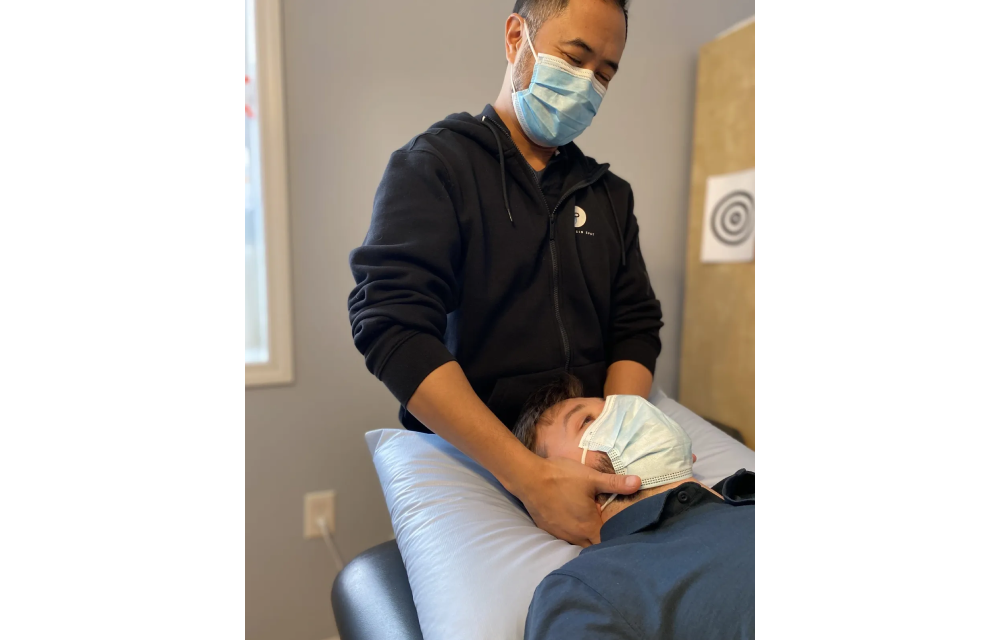
Our physios are highly skilled in manual therapy techniques to gently mobilize your spine and to normalize tone in your neck and head muscles.
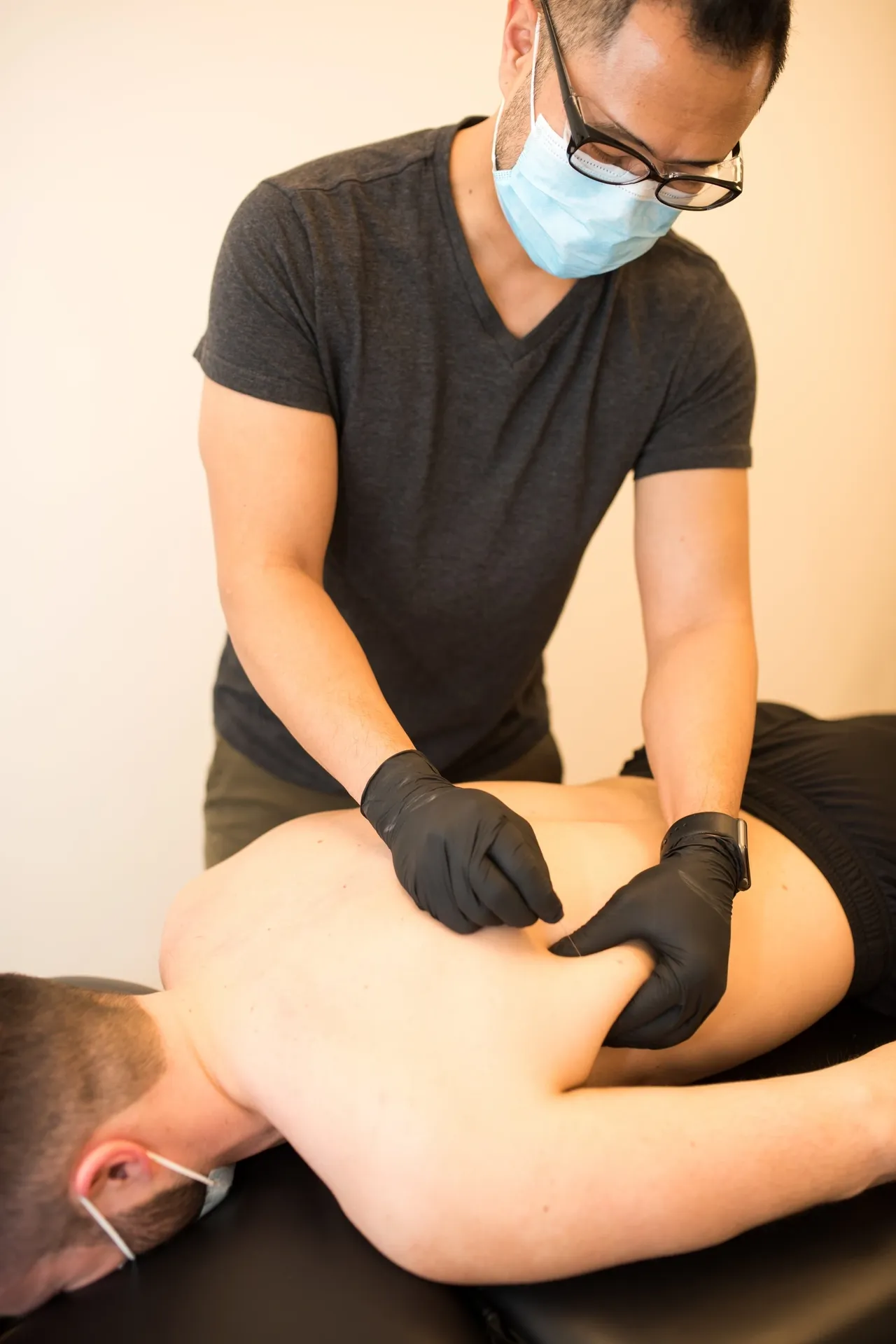 Acupuncture and Dry Needling techniques can help with neck and headache pain
Sometimes, the neck muscles are so tight that they increase pressure on other structures (nerves, discs, joints).
Acupuncture and Dry Needling techniques can help with pain caused by this tightness.
Our physiotherapists have extensive training in clean needling techniques to help with your pain and decrease increased muscle tone.
Exercise Prescription
Your physiotherapist will provide personalized stretches and strengthening exercises based on your needs.
For now, we’re providing you with some general information. If you feel any pain or increased discomfort with these exercises, discontinue them and book a physiotherapist to help you out.
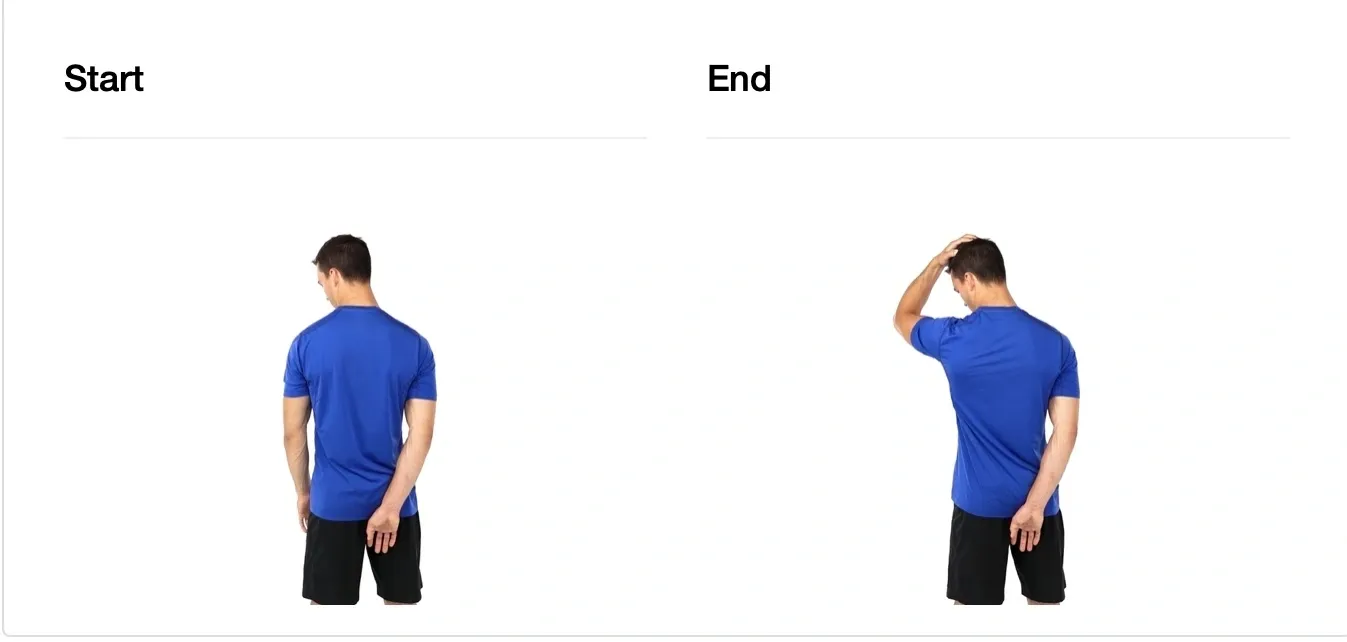
Try these stretches. Hold each for 30 seconds. They can help with my tension and cervicogenic headaches.
Trapezius: Tilt your head to the left and rotate your head slightly to the right. Use your left hand to provide a small pull.
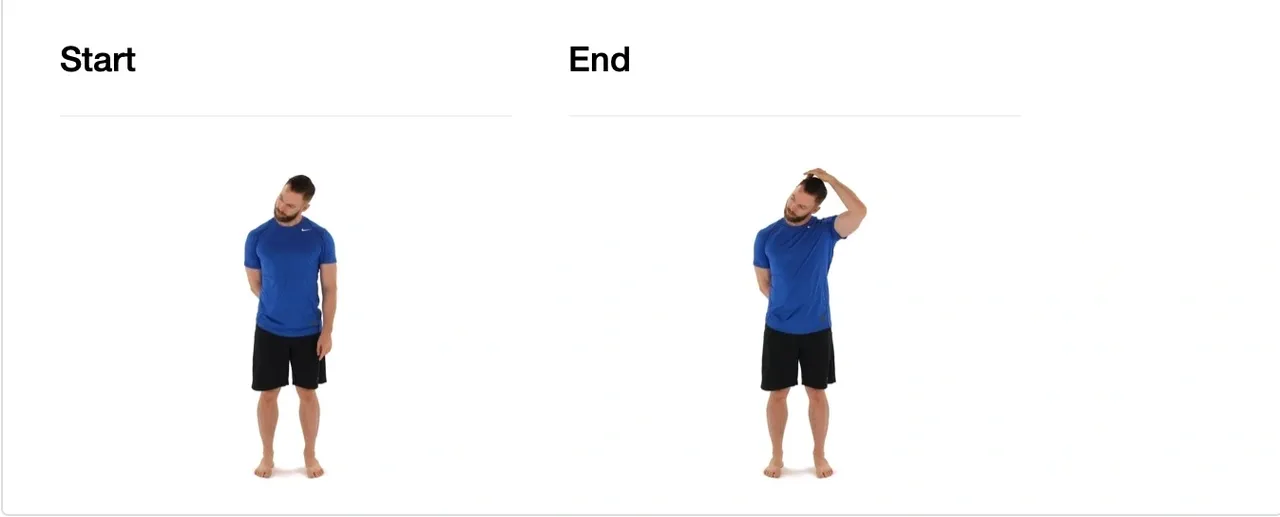 Upper trapezius stretch
Levator scapula: “Smell your armpit.” Use your hand” to pull “into a stretch.
 Sternocleidomastoid: Hold down your left collar bone, lean right, rotate left, and lean your head back. You should feel a stretch on the same side you’re ho your own.
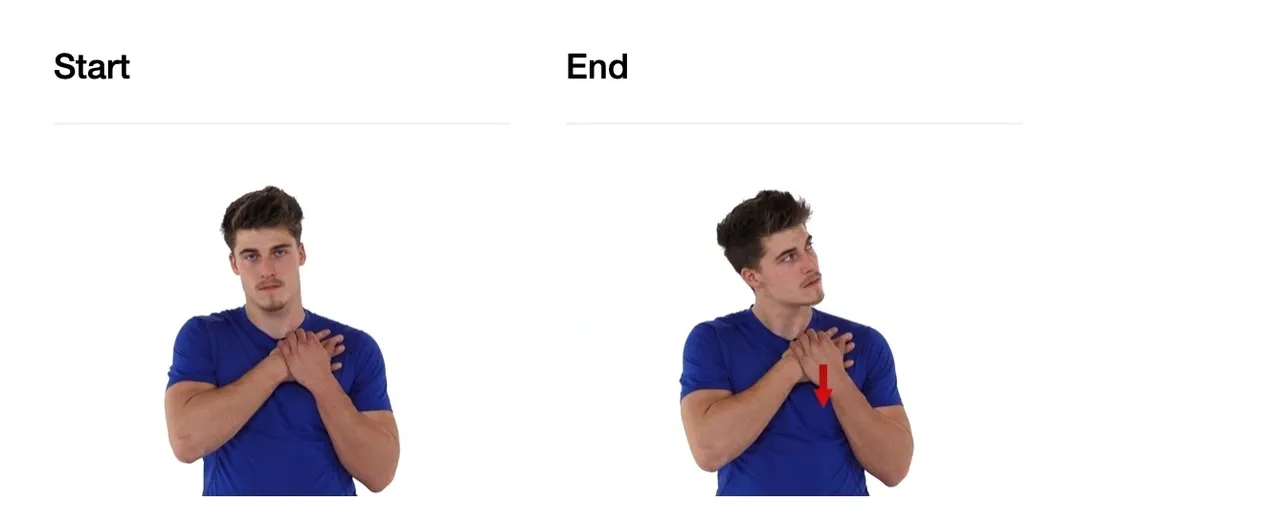 SCM stretch
Refer on
If we discover a headache that needs further investigation, we’re comfortable referring you back to your medical doctor with a report on our findings!
Book with one of our great physiotherapists for help with your headaches and gentle treatment. We love helping you move better!