Running is an activity that puts a lot of pressure on our pelvic floor, but not to worry, the pelvic floor muscles have a natural give, and they absorb impact, contracting and relaxing as needed each time your foot strikes the ground.
The pelvic floor muscles (pelvic floor, diaphragm, abdominals, and back muscles) automatically engage as part of our inner core to manage this increase in pressure, provide support for our trunk, and allow us to breathe efficiently for optimal performance.
What is the Pelvic Floor?
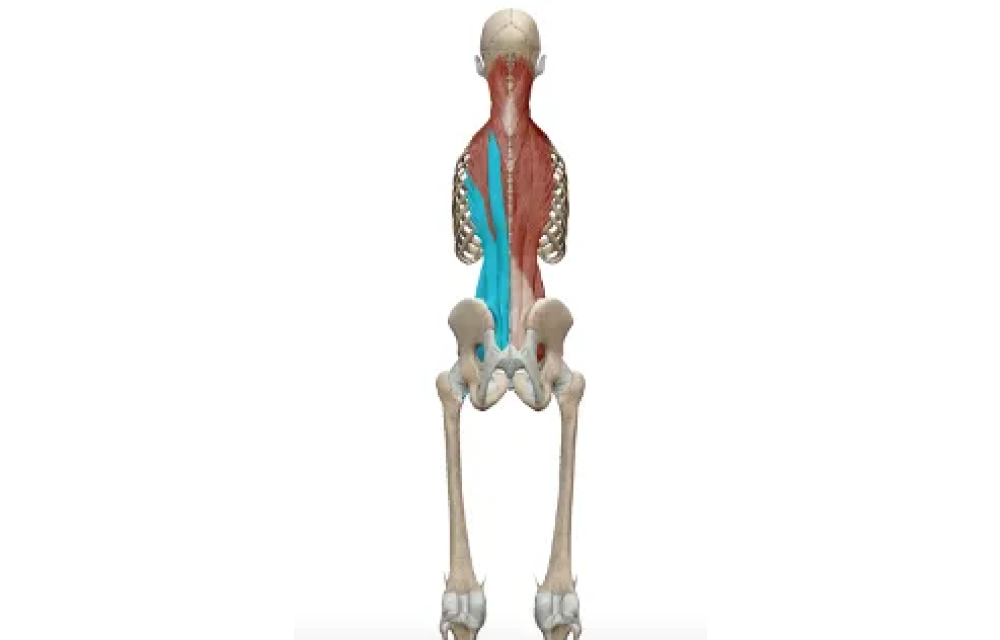
The pelvic floor is a set of muscles, ligaments, nerves, and connective tissue shaped like a hammock and located within the pelvis at the base of the spine. It silently helps control the opening of the bladder and rectum, provides support for internal organs, and is important for the stability of the hips and back.
What does a weak pelvic floor feel like?
When your pelvic floor is too tight, too weak, uncoordinated, or experiencing other types of dysfunction it can lead to problems during your run like:
- Urinary incontinence (leakage)
- Urinary urgency (feeling like you need to pee)
- Heaviness or pressure in the pelvic area
- Hip or lower back pain
- Coning or doming in the abdominal area
These symptoms may become more noticeable during your run due to the added stress on impact and, if ignored, can lead to additional musculoskeletal problems or increased severity of your pelvic floor dysfunction.
5 Tips to Keep your Pelvic Floor Healthy During your Run

Breathe better!
1. Don’t forget to breathe
Breathing throughout your run is critical to managing intra-abdominal pressure and preventing those pesky pelvic floor dysfunctions. Breathing well helps you activate your inner core appropriately (and relax it when needed) and supplies the much-needed oxygen to your muscles during your run.
2. Stack your ribs over hips
When your ribcage is stacked over your hips, your diaphragm and pelvic floor can work together efficiently. A common problem we see in women with leakage or lower back and hip pain is that they tend to lean backward during their runs or have a larger curvature in their lower back that does not allow the ribs and hips to be stacked. Think about slightly leaning forward when you run to help stack the ribs over your hips.
3. Stop over-gripping through your tummy
Over-gripping through your abdominal muscles prevents the natural rotation that should occur when you run, and it can also increase pressure down onto your pelvic floor. Remember to breathe, this will help you relax more through your abdominal area and allow your inner core to function properly – remember our muscles should have natural give to absorb impact by contracting and relaxing as needed.
4. Strength Train for your Runs:

Use strength training to help your run times!
Say it louder for the people in the back! Strength training specific to running is essential when it comes to the management and prevention of pelvic floor dysfunction. It is vital to provide a gradual progressive load to your inner core and learn how to coordinate with larger muscle groups to increase your speed, power, and endurance without any pelvic symptoms.
Think squats, single leg squats, lunges, heel raises, hops, chops, and paloff press – a pelvic health physiotherapist can help you to develop a strength program specific to your running needs.
You can also check out our recent blog on 5 Simple Lower Body Exercises to Prepare You for Outdoor Activity.
5. Seek out the advice from a pelvic health physiotherapist:
A strong and adaptable pelvic floor allows you to manage pressure appropriately to meet the demands of your run, allowing you to run leak-free or pain-free comfortably.
When you are looking for a pelvic health physiotherapist, it is important to find someone who listens to your concerns and builds a treatment plan that is specific to your goals. There is no one-size-fits-all program out there.
So, do you want to run without leakage, run without pelvic pain or pressure, or run post-partum? Your treatment plan may involve doing exercises lying down or sitting, but these exercises alone may not translate into improvements during your run.
Running progressions should always be incorporated. Running is an exercise that requires large body movements, repetition, trunk rotation, different intensity levels, and so much more- therefore, we must specifically train to meet this demand.
Click here to book a session with one of our female pelvic health physiotherapists.
Book an appointment at our Markham Pelvic Health clinic or our Stouffville physio clinic.
Does running help pelvic floor muscles?
Depending on your situation, running can be beneficial and challenging for pelvic floor muscles.
For some, running helps strengthen the pelvic floor by engaging the muscles that support the bladder, uterus, and bowel. The impact of running activates the core and pelvic region, making it a positive form of exercise for maintaining strength.
However, if there are any pre-existing pelvic floor issues like weakness or tightness, running might exacerbate symptoms, such as incontinence or discomfort. In such cases, it’s important to ensure proper alignment, engage in core-strengthening exercises, and potentially modify running techniques.
Assessing individual pelvic floor health before recommending running as a strengthening exercise is always best.
Does running weaken the pelvic floor?
Running doesn’t inherently weaken the pelvic floor, but if the muscles are weak, too tight, or not functioning correctly, it can contribute to pelvic floor issues.
The repetitive impact of running places pressure on the pelvic floor muscles, which support the bladder, bowel, and uterus. If these muscles are not strong enough or overly tense, running can exacerbate symptoms like incontinence or pelvic organ prolapse.
That said, running can be safe and beneficial for the pelvic floor if done with proper technique and combined with exercises that strengthen the core and pelvic floor.
For people experiencing pelvic floor dysfunction, it’s essential to address these issues with a pelvic floor physiotherapist before continuing or starting a running routine.
This might involve a tailored strengthening or relaxation program to ensure the pelvic floor can handle the impact.