What inspired you to certify in Restore Your Core?
The inspiration to be trained in the practice of Core Rehabilitation and Movement through Lauren Ohayon’s Restore Your Core program stems from a drive to empower women. As women, we are told that as we age, it is “normal” for us to deal with lower back pain, incontinence, or perhaps the constant pressure of feeling the need to pee. Women who experience painful, unfulfilling sex lives, “mommy tummy” caused by Diastasis Recti and many other symptoms are told that it is “just time” to accept that we will be adding poise pads to our weekly budget. We are often told that surgery is the only course of action to remedy any of these things. While surgery is an option, it’s not necessarily our only option. I wanted to challenge the mindset that these things are “normal”. They are not “normal”. They are, however, very common, and although surgery may provide its own set of benefits, it’s important to recognize that it’s not our only reliable option.
Why is fitness important?
 Restore Your Core
Simply put, maintaining a certain level of fitness allows us to be in optimal health. It aids in healthy brain function, reduces the risk of disease and helps us maintain strength, making our everyday lives easier.
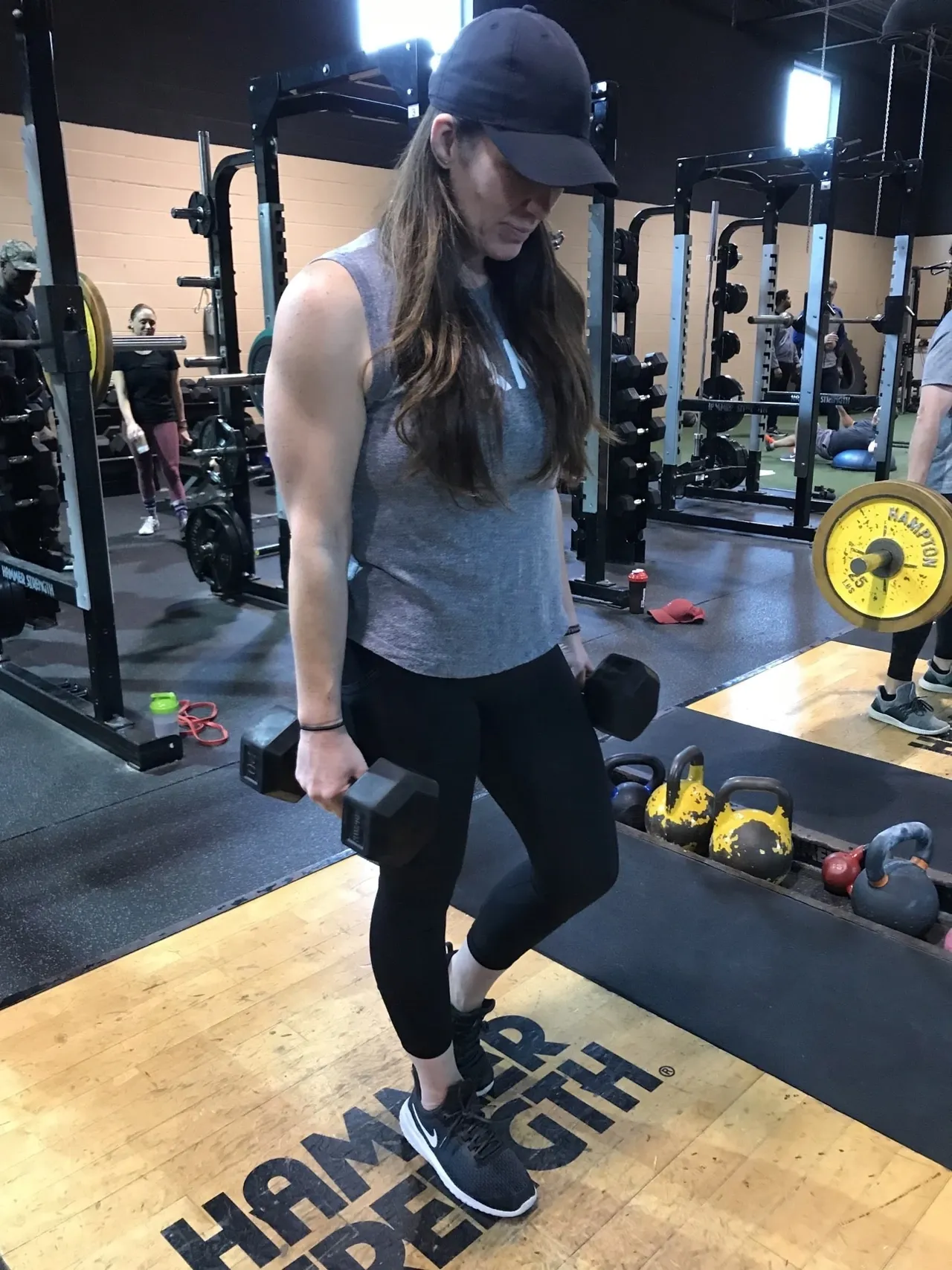
The Restore Your Core program is a movement/fitness-based practice that incorporates aspects of Yoga and Pilates, neuroplasticity, repatterning, and breath work. In Restore Your Core, we use a whole-body approach instead of just focusing on standard core workouts such as crunches and sit-ups by the hundreds. We are dropping into our bodies and noticing non-optimal patterns that may contribute to the common aging processes for a woman’s body while also gaining strength in new ways.
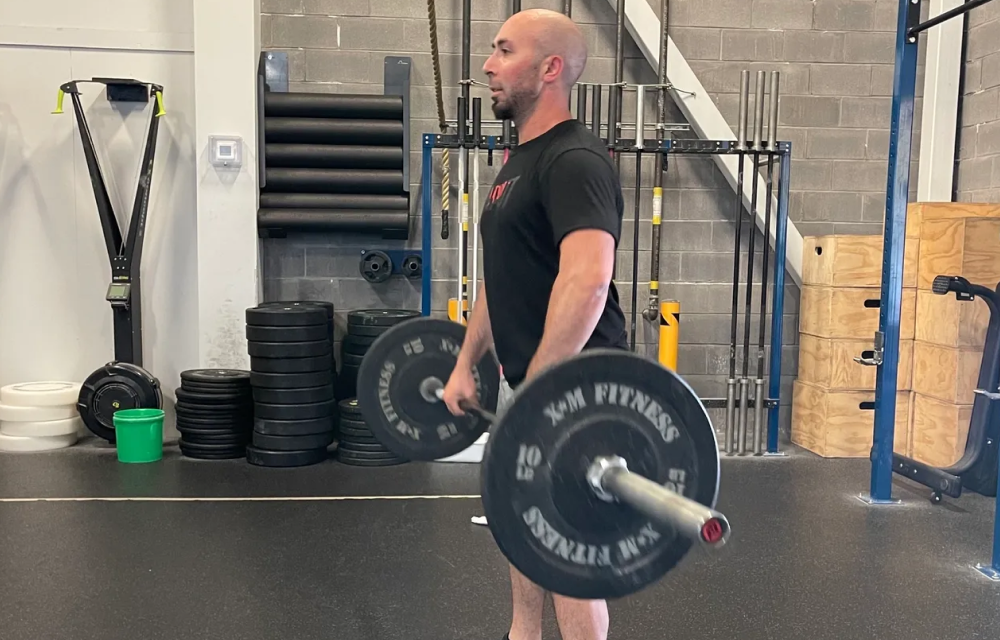
Our new physio clinic in Stouffville has a gym like the one pictured!
If you could make one statement or change one thing about the fitness industry, what would it be?
If there was one thing I could change about the fitness industry, it would be the focus on weight loss. The idea that a number on the scale reflects where you have accumulated success or failure is, in my opinion, fundamentally flawed. I feel that reclaiming your life does not begin with presenting the number on a scale; it begins with healing your body in physical, emotional, and mental ways. Weight loss is a by-product of that journey; it takes all the strength to begin.
Why do you think this change is needed?
The media portrays being fit as the muscle-bound male or the tall, lean woman with six-pack abs. We don’t often see being fit outside of those parameters, and I think that feels unattainable and intimidating to most people.
Being “Fit” does not mean you are a size 6 or smaller. Fitness comes in all shapes and sizes. You may be a larger-sized person and be able to run a marathon, or you could be “in shape” according to media standards and not be able to climb a flight of stairs.
Fitness or a healthy lifestyle is not one size fits all; it looks different for everybody. As a society, we need to change our ways of thinking to incorporate a more open and adaptive mindset as the dominant ideology rather than the restrictive one we currently follow.
How is your business integrated with Physiotherapy?
It’s a very cohesive relationship. Having a physiotherapist’s input allows me to work more effectively with my clients. It gives me a more detailed picture of what’s going on within my client’s body. Are there injuries they are working through, or perhaps areas that require a little more focus? Are there movements that, at this moment, should be avoided? If exercises are prescribed, I can assist in executing them more effectively. It also gives me a place to start looking at patterns. Are there non-optimal patterns at play that are contributing to the functional issues? A physiotherapist’s insight is especially optimal for pelvic floor rehabilitation, which is a main factor in my work. A pelvic floor physiotherapist has the ability to assess what’s going on inside. For example, they can diagnose a prolapse and its type. They can also tell what level of function the client has regarding their pelvic floor. If any scar tissue needs to be released by the physiotherapist, the work I then will do with the client is more effective. I believe seeing a pelvic floor physiotherapist should be part of your annual check-up.
What would you say to someone interested in your services but scared to reach out?

Click here to contact Marina
I would say starting on any new journey is often filled with fear and intimidation. I can empathize with this, and I will encourage you to meet your body at its current level of ability. We can achieve your goals while recognizing that your body may not feel the same every day, and that’s OK. Healing is a marathon, not a sprint. We did not create these bodies or these patterns in a day, and they will not be undone in a day. I will work to encourage you to heal while feeling stronger and more confident in your body.
Closing thoughts
There are so many thoughts, and I could go on about this topic for hours, but, in a nutshell, I’m not going to give harsh criticism and veer away from your personal goals to fit my idea of what your journey should look like. I am here to guide and support you through this while offering fitness insight and encouragement. I recognize your goals as your own and want to remove any feelings of guilt towards yourself or your body within the space we create. First and foremost, I’m here to help you heal and feel stronger and more confident in your body. As women, we do not have to accept that our bladders will leak for the rest of our lives or that we will no longer be able to enjoy a painless and fulfilling sex life. I believe we have options beyond surgery that we are more than capable of exploring and that being “fit” in one body is not the same as the other. I strive to embrace these differences in my practice with my clients.