Golf is a great form of exercise and a skilled sport, and with the spring weather here I know many of us will be out at the range or on the course over the coming months. Many fitness components are required to create not only a great golf swing, but also a pain free body. To start off the topic, today’s focus will be on the spine and what we need our body to do when we golf.
What are the movements of the spine?
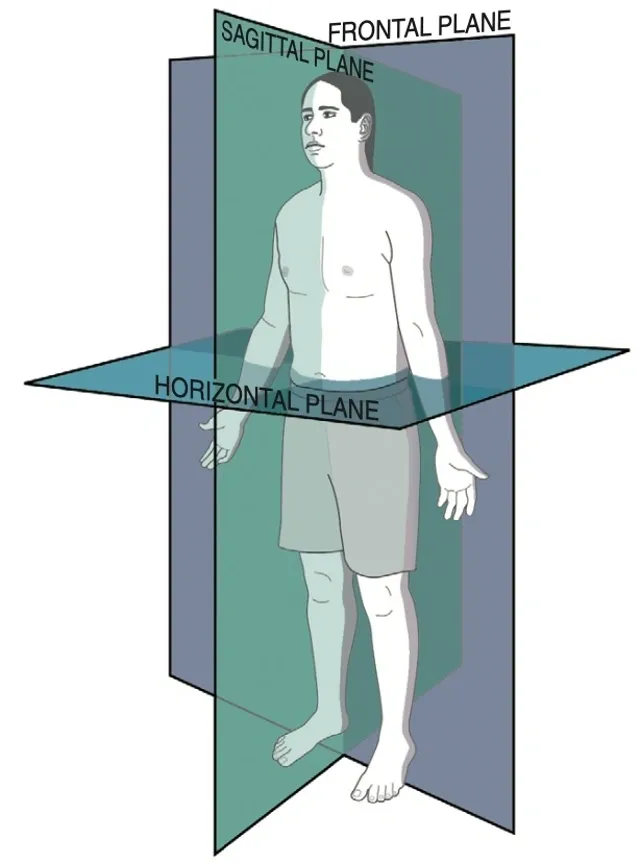
There are three planes of movement in the spine and all three are needed to golf.
Three planes:
1. Transverse: rotation occurs in this plane
2. Sagittal: side bending occurs in this plane
3. Frontal: flexion and extension occurs in this plane
What is required for a golf swing?
A golf swing can be broken down into three components.

1. Thoracic extension
2. Thoracic/Lumbar side flexion
3. Thoracic rotation
When we have the required mobility in all three of these components, the forces can travel through our swing to the ball efficiently. When we DON’T have the movement in one, or more than one of these planes, we steal from others. This is where we can get into trouble and can lead to pain!
How can I check if I have enough mobility?
Our recent Instagram post shows three quick and easy tests you can try. Check us out on instagram @thephysiospot. Here is a link to the post!
Feel pain? Tightness? Side to side differences?
All could be indications that your mobility may be lacking.
What can I do to improve my mobility?
Here are three great exercises to build into your golf specific program to address any mobility limitations. Try them all or focus on the movements you noticed during the quick self-assessment!
1. Thoracic extension over a foam roller.
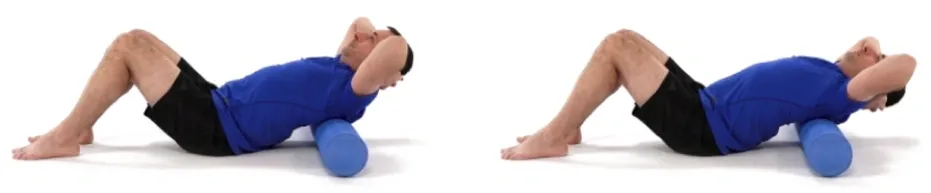
Place your foam roller on the floor and lie on your back with your knees bent and the foam roller at your upper back and shoulders. With your arms supporting your head, lower your head as close as you can to the floor until you feel a stretch behind your back.
2. Lumbar locked thoracic rotation.
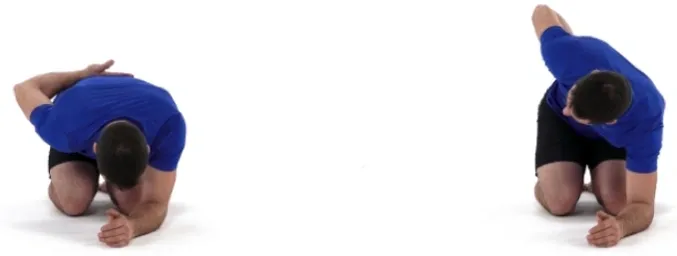
Start on your knees while sitting back on your heels and one arm down on the floor between your knees. Put the other hand behind your lower back. Rotate the torso as much as possible without losing your original position.
3. Side bend with overhead reach.
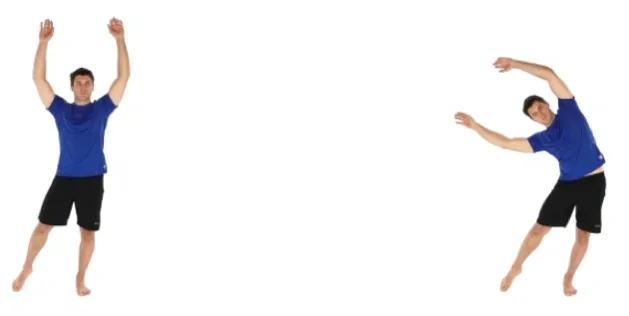
Stand on one leg and slightly touch the ground with the other leg. Raise your arms to reach overhead and push your hips in the opposite direction. Progress by lifting the free foot completely off the ground.
As always, discontinue if there is any pain or discomfort with these exercises. You may need a modification or other factors could be a problem! Book in with any of our great therapists and we will look after you. Mobility not an issue? We can look at stability, power or endurance!