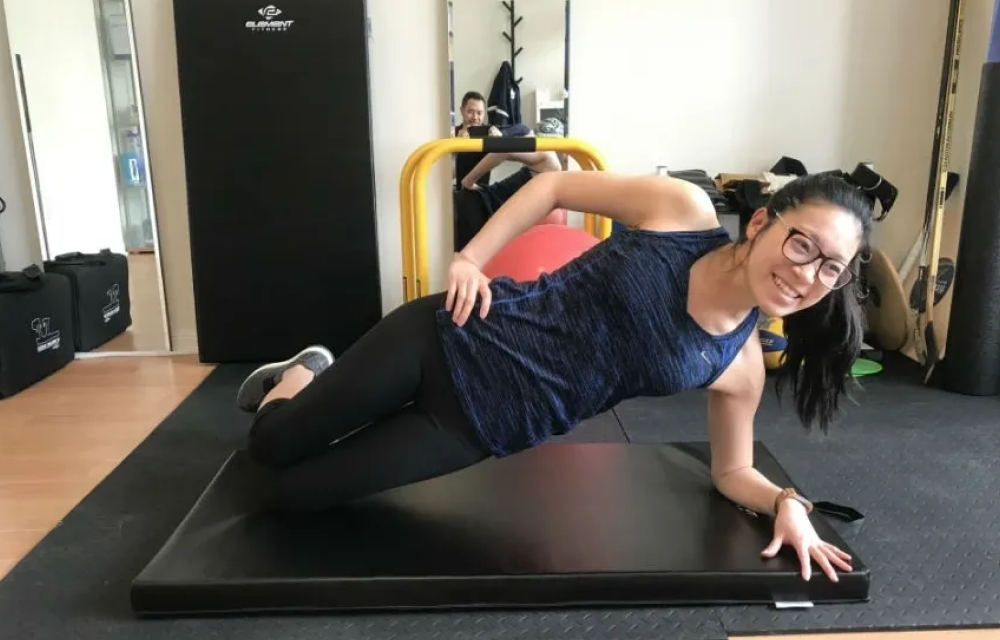
Are you suffering with chronic hip or lower back pain, or both? You’ve seen countless specialists, you’re doing your exercises, and you’ve even tried conservative treatments but you’re still not seeing any lasting effects or satisfying relief? If any of this sounds familiar, your pelvic floor muscles could be the piece that solves the puzzle.
WHAT ARE YOUR PELVIC FLOOR MUSCLES?
Your pelvic floor is a collection of muscles and ligaments located at the base of the bony pelvis and spine. These tissues have several important functions in our body, including:
- Dynamic stability – they work closely with muscles in the core, glutes and low back
- They offer physical support for our bowel, bladder and reproductive organs
- They control the openings of bowel and bladder organs preventing unwanted leakage
- Sexual function in men and women.
SIGNS AND SYMPTOMS OF PELVIC FLOOR DYSFUNCTION
There are many signs and symptoms of a pelvic floor problem but they can often be conflated with other issues. For instance, you may think the intense pain in your lower back is from bending over or awkwardly picking something up, or maybe even a bad night’s sleep. If it feels like a spasm, it could be your pelvic floor.
Have you ever had hypertonic (or tight) hamstrings? Pelvic floor muscles are similar in that they can experience spasm or tension. This tension can refer into surrounding areas such as the hamstring, groin, glutes and low back. If you have tried to stretch out some of these muscles with no lasting relief, you could benefit from a pelvic floor assessment. More so, If your pain and/or symptoms feel deeper and harder to locate, or if they are aggravated by prolonged postures (sitting, standing), or pain occurs with transitional movements and stress, it’s time for a pelvic floor assessment.
You need to think of the core, pelvic floor, lower back and all the surrounding tissues as one big functional group. All other muscles and tissues of the extremities function better and are stronger when these muscles of the inner core are functionally working well. A pelvic floor specialist can teach you have to engage your pelvic floor muscles during some of your favourite abdominal exercises to ensure that your muscles are functioning in a coordinated manner. Unless your pelvic floor is given the same attention as other areas, you might continue to experience the stubbornness and lingering pain associated with pelvic floor dysfunction.
If you’re looking for physiotherapy in Markham, come see Ellen, our pelvic floor health specialist, and see how we can help you #movebetter