Do you always pee right before you leave the house, before you work out, or in the 2 minutes before you walk into a meeting?
While the “just in case” pee may seem like a smart thing to do, it is actually a bad habit for your bladder. Peeing when you don’t feel the immediate need to do so, trains your bladder to empty when it isn’t actually full yet.
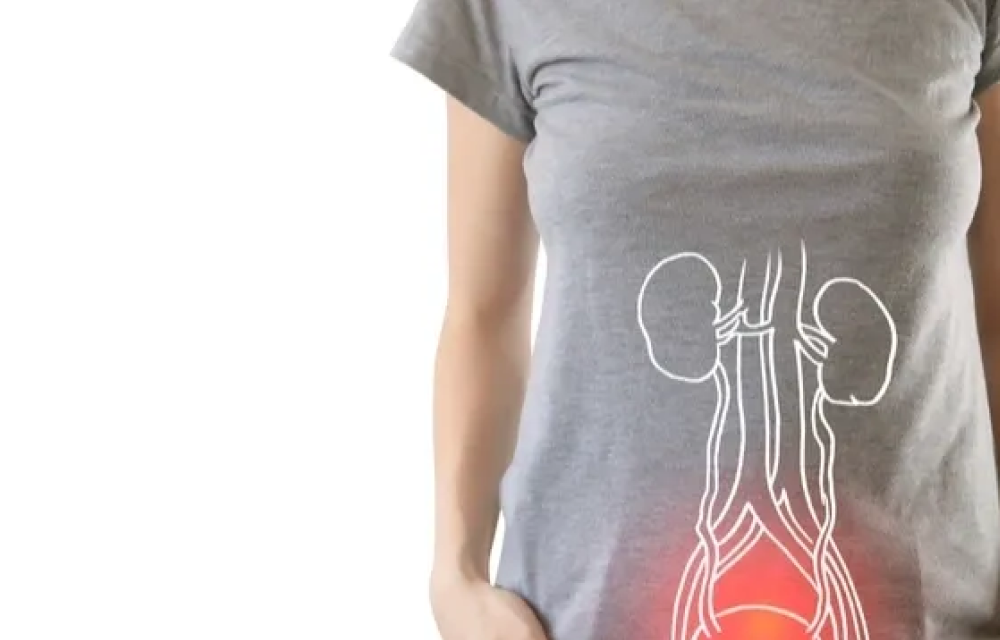
Normally, as the bladder fills, the stretch of urine pressing against the bladder wall creates signals to your brain that results in the following series of urges:
1. First urge to void 4-5 oz: “I should probably look for a washroom in the next little while”
2. Holding 7-15 oz: “It is time to go to washroom”
3. Must void 10-20 oz: “Ah yes, time to pee”
If you frequently practice the “just in case” pee it may cause bladder signaling dysfunction. Over time your bladder becomes accustomed to functioning at a lower capacity than normal. Emptying your bladder consistently before it is full, sends a signal to the brain that the bladder needs to be emptied when it is really only partially full. This can cause the bladder to shrink in size and may lead to changes in urge (ex. MUST void at 5-10oz) and increased frequency of using the washroom.
Wait… so the “just in case pee” could actually be the reason I feel the need to pee all the time?! The answer: Yes.
So, how often should you be going pee? On average, most people should go the washroom 5-8x/day or every 2-3 hours, and if you are over the age of 50, getting up to go once in the night to pee is also considered typical.
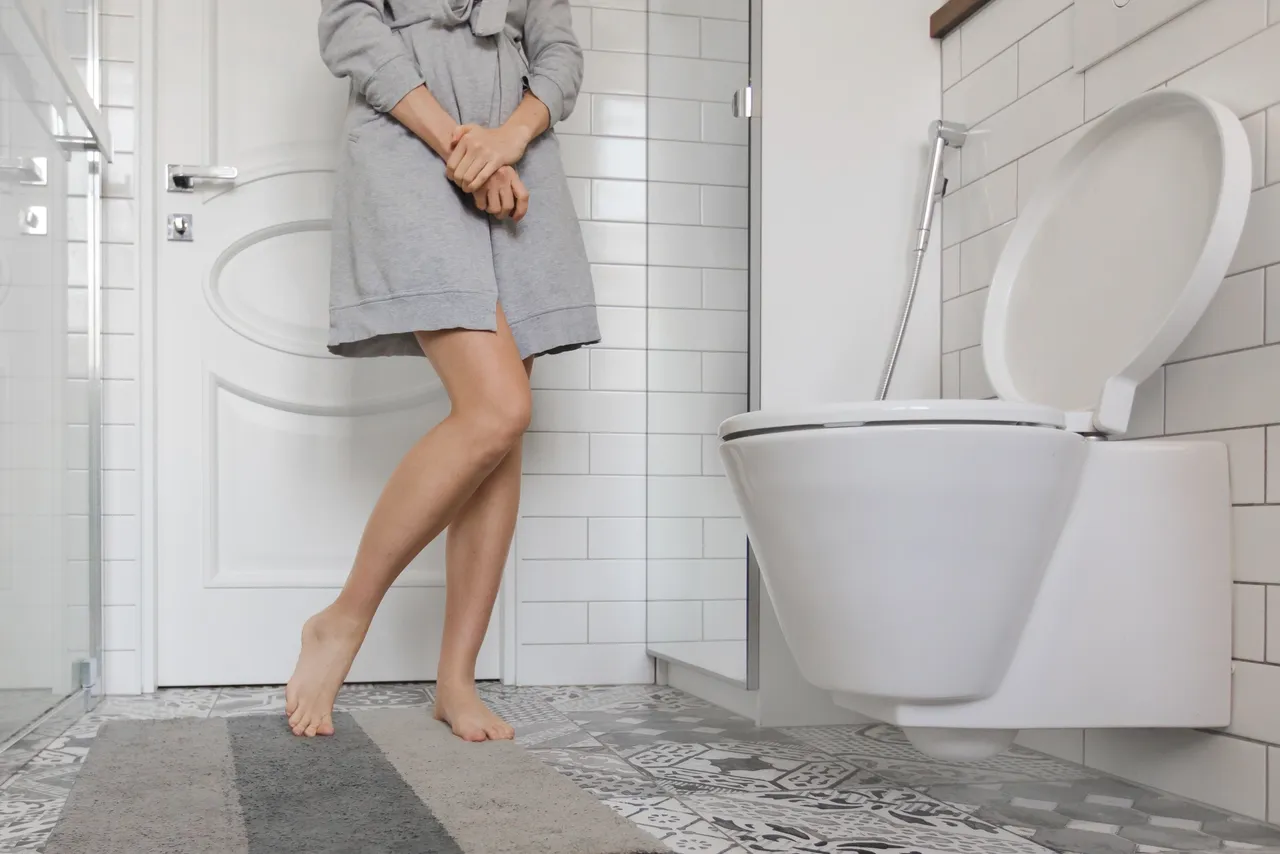 Most people should pee 5-8x/day
If you are going to the washroom >8x day, find yourself doing the “just in case” pee before you leave the house, or are experiencing urinary urgency it might be time to get some help from our Pelvic Health Physiotherapist! Click Here to Book an Appointment
Just like your bladder can be trained hold less urine, with Pelvic Health Physical Therapy, it can also be trained to comfortably hold more! Our Pelvic Health Physiotherapists will discuss strategies with you like:
– Proper Hydration
– Avoiding Bladder Irritants
– Urge Delay Techniques
– Pelvic Floor Muscle Training
– And much more!
We want you to keep your bladder healthy, so reserve the “just in case” pee for emergencies or special circumstances like before bed, before a long car ride, or after sex. Reading the word “pee” this many times may also make you think you have to go, but would that be “just in case”?